Not in America

Not in America

Downtown Flint about the cobblestone street

Never in America should  a city like Flint, Michigan, be left to the kind of ruin we have witnessed. Even if one were to view it only from the narrow perspective of the economy, the country cannot afford it. But our view has to be greater.

This city is rich with a broad history including being the birthplace of the UAW. A factory town like many others that fueled a generation of men and women to an unrivaled economic prosperity. From that wealth the whole country benefited.

Our parents were either born in Flint, Michigan, or made it home after the war eventually realizing a standard of living that propelled the next generation to college and beyond.  That was the American Dream. At one point the median income of Flint was among the top five cities in the country. Today it is a shell of its former self.

We recently returned to this city marred by economic collapse, and the devastation shocks our eyes and sensibilities. We both were born and raised here, lived in vibrant neighborhoods, and attended historical Civic Park school then later Northern High School. We  left in the early 80's after the local economy had already suffered for nearly a decade.
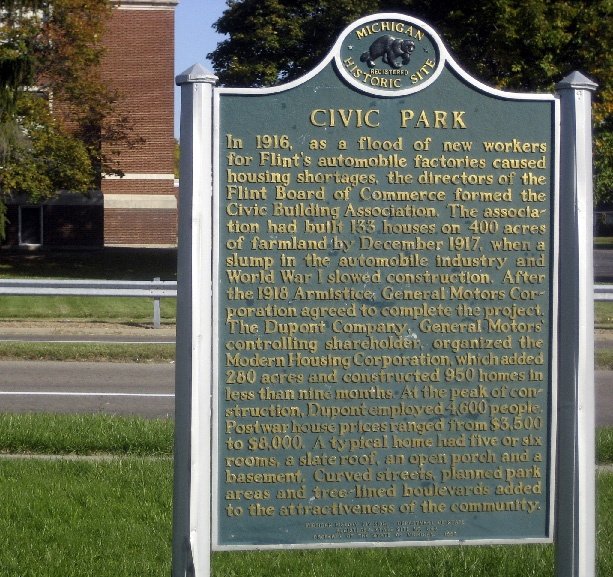
Flint today is a political, economic, ethical and moral failure of unprecedented scale. I blame our national politicians for their lack of leadership but also all Americans since we elect those who have contributed mightily to this nightmare.

The human toll is catastrophic and can be found in any statistic you choose, and the economic despair shows most obviously in blighted buildings, bulldozed homes and devastated neighborhoods. Whole factories that hired tens of  thousands have been wiped off the landscape.  The city just received monies for environmental cleanup so someday these areas can be developed again, but will they?

The following photos were taken in the blocks surrounding Civic Park School. The neighborhood we grew up in is now all but unrecognizable. Do most Americans know that this kind of poverty and neglect exists? Like the 9th Ward in New Orleans, will this one day come as a shock?
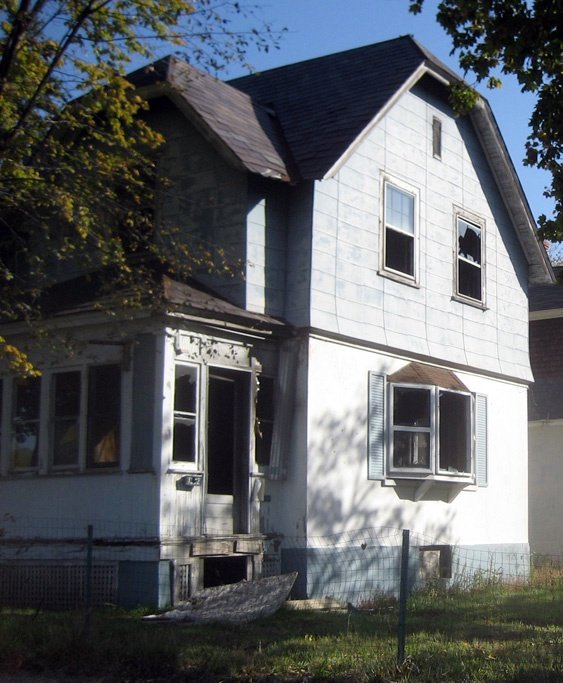
The lack of doors and windows is not unique
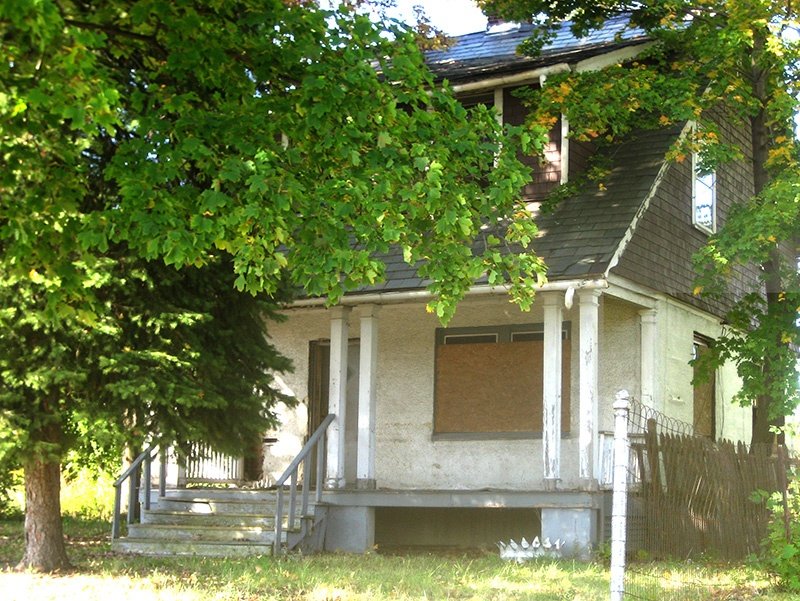
These are not isolated examples
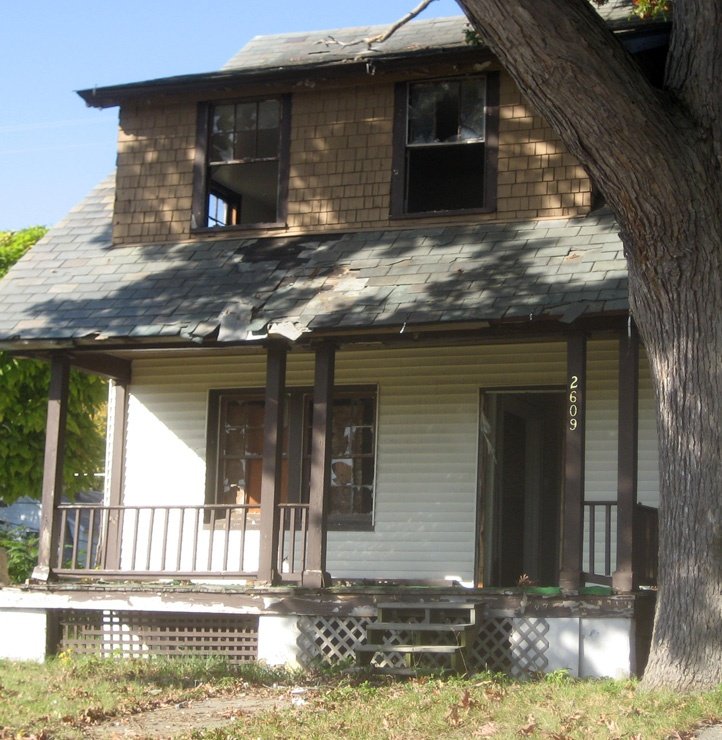
It is hard to grasp the extent of problem
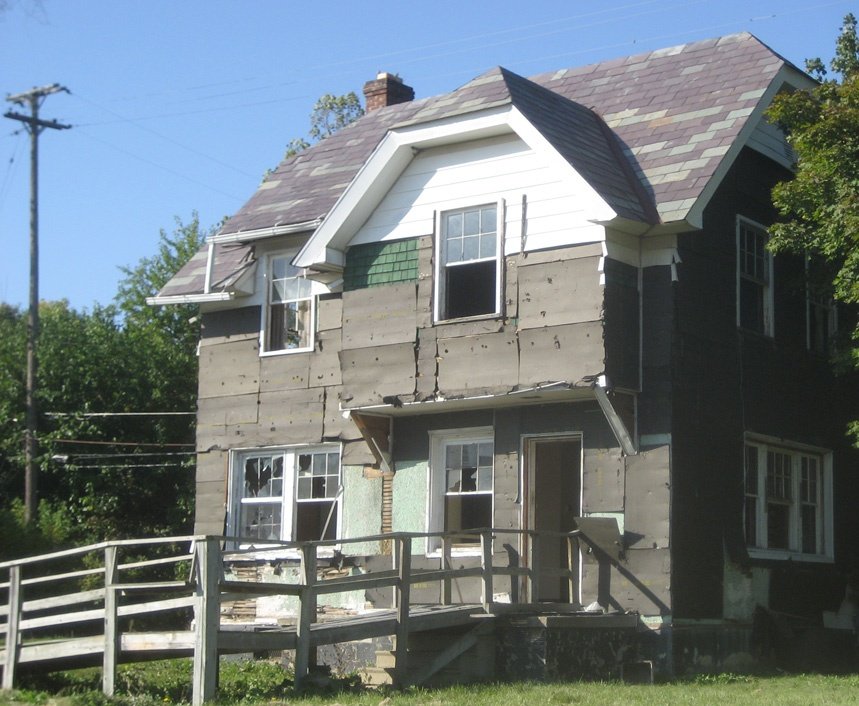
It is like an indiscriminate violent economic storm passed

There are bright spots, the University of Michigan campus is established downtown, there is a significant medical infrastructure and signs of new development that hold hope for the future of the city.

But it seems as though capitalism has been allowed to run wildly out of control here, seeking low-pay wages elsewhere in the country and the world. But just maybe, by blindly moving facilities overseas the CEOs have created a smaller pool of potential buyers. Let's face it, if you are making $10-20 vs. $30-40, dollars an hour, you most likely are driving a used car certainly not spending $20-30,000 or more for a new one.

The entire economy seems to be run for a smaller and smaller elite with a large and growing influence in Congress to get the laws and tax breaks they need to operate with impunity while focusing laser like on short-term profits and the bonuses those generate, ignoring any social responsibilities or long-term goals.

We still have extended family and friends in the city. It is obvious what the last 30-40 years of lost leadership and failed responsibility has cost. Flint is not alone, our industrial base is teetering on extinction. This story is but one version while another is repeated in countless cities across the Midwest. But we are here now and anyone can see that this is unacceptable.
Workable Acronyms: WPA, FAP, CCC, FWP

Workable Acronyms: WPA, FAP, CCC, FWP

These acronyms spelled survival for a generation of Americans fighting their way out of the Great Depression. Now is a good time to look back and consider their meaning for today.

Recently we spent two wonderful months in northwest North Carolina and wrote about the 75th anniversary of the Blue Ridge Parkway, a project that began in 1935 as part of the New Deal's Works Progress Administration (WPA).

While researching the Parkway, we discovered much more about the landmark programs created under the 1935 Emergency Relief Appropriation Act that helped America recover economically from the Great Depression. Many of the work-generating programs created are well-known, others are more obscure. The WPA eventually became the largest employer in the country.

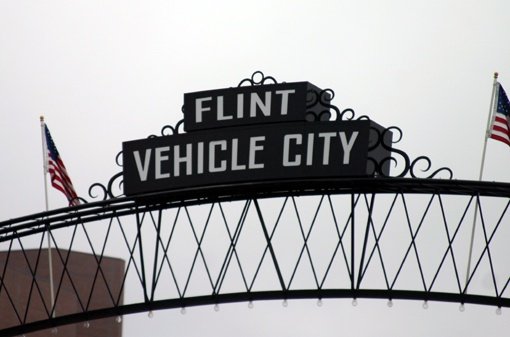
Image of sign in Flint, Mi. Flint Vehicle City

Our current road finds us in Flint, Michigan, a city steeped in history associated with the New Deal. While traveling about the country we can't help but stumble across the WPA legacy. Among the building and infrastructure achievements included in that legacy are the Merritt Parkway in Connecticut and the 127-mile Key West Overseas Highway, the Triborough Bridge, Lincoln Tunnel, Central Park Zoo and LaGuardia Airport.

Building these iconic structures, including the Orange Bowl in Miami, the Oregon State Capitol, the Tennessee Supreme Court building, the Kansas City city hall and the Oklahoma City municipal auditorium, provided jobs, a sense that the country was moving again and a lasting heritage.

All told, WPA workers produced 650,000 miles of roads and built or improved 124,000 bridges, 800 airports and 125,000 public buildings, including schools, hospitals and post offices as well as parks, fairgrounds, and rural electrification and sanitation systems. And why don't we do have a WPA program today? It gets better.

The Federal Writer Project (FWP) worked on the cultural side employing writers, editors, and historians. Some 6,600 individuals were employed by the FWP. This group is best known for its series of state guidebooks, but with people like Saul Bellows, Jason Pollack, Studs Terkel, and John Cheever employed, the FWP published more than 275 books, 700 pamphlets and 340 ''issuances'' (articles, leaflets and radio scripts).

The Civilian Conservation Corps (CCC) hired men between the ages of 18 and 24, providing work related to the conservation and development of natural resources. They built more than 800 parks that would eventually become state parks, planted billions of trees, developed forest fire-fighting methods, and constructed buildings within the nation's public lands. History has something to teach us.

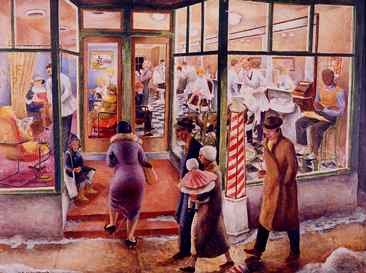
James Turnbull, Barber Shop, 1936

The Federal Art Project (FAP) operated from August 29, 1935, until June 30, 1944, creating more than 200,000 separate works. FAP artists created posters, murals and paintings.

Can you imagine getting anything like these programs implemented today?

Even then in what must have been a much more progressive or at least resourceful America, there was significant resentment toward these programs, especially the WPA which many decried as hiring a bunch of "shovel leaners." John Steinbeck jumped into that fray in his essay, "Primer on the '30s": “It was the fixation of businessmen that the WPA did nothing but lean on shovels. I had an uncle who was particularly irritated at shovel-leaning. When he pooh-poohed my contention that shovel-leaning was necessary, I bet him five dollars, which I didn’t have, that he couldn’t shovel sand for fifteen timed minutes without stopping. He said a man should give a good day’s work and grabbed a shovel. At the end of three minutes his face was red, at six he was staggering and before eight minutes were up his wife stopped him to save him from apoplexy. And he never mentioned shovel-leaning again."

Here in Flint, Michigan, we have an example of the work done through the WPA, the Flint Farmer's Market. Built in 1940 by WPA workers, the original building stands to this day. The steel trusses supporting the roof are the originals from the 1920 Union Street Building brought over on railroad cars.

As the nation struggles to find its way out of the current economic morass, these programs stand as testament to leadership, ingenuity, and the power of people through their elected officials to work their way out of difficult times.

Our history follows us as we move about the country. The roads, bridges, buildings, art and parks created through these historical  programs hold a contemporary message while enriching our travels on the next road.

Blue Ridge Parkway, A Real American Story

Blue Ridge Parkway, A Real American Story

75th Anniversary Logo, NPS

You might call it a 469-mile piece of paradise, maybe an American feat of ingenuity and beauty, or perhaps a story of putting people to work while building a lasting national treasure.

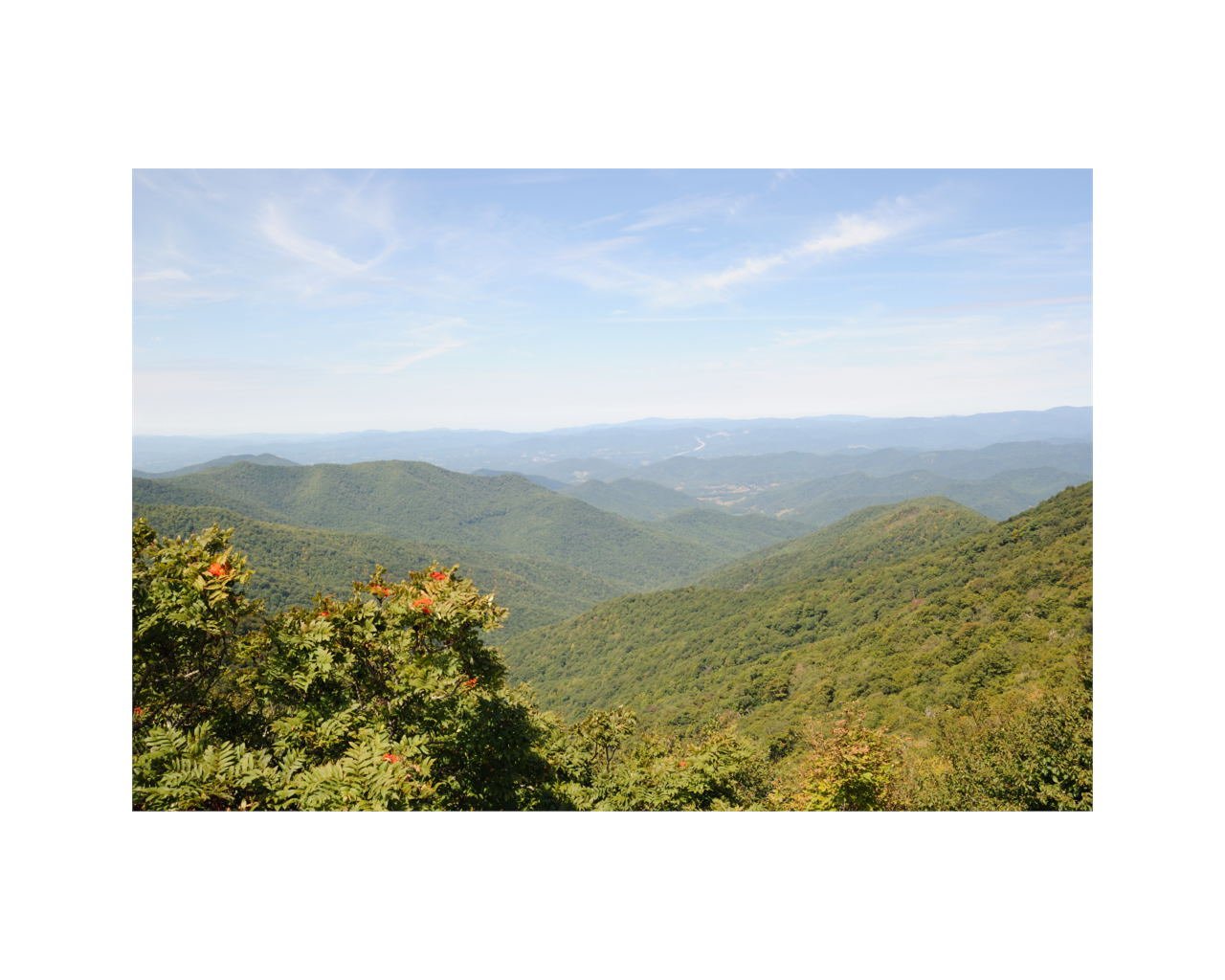
Blue Ridgeway Parkway view, NC

Whatever you want to call it, if you have a bit of time and want to see something absolutely beautiful with a lot of history, head for The Blue Ridge Parkway in Virginia and North Carolina. The experience lives up to the legend.

What is there to celebrate in this, the 75th anniversary year of the Parkway? For starters, it’s the longest and most narrow national park in the world and the most visited site in the U.S. National Park system.

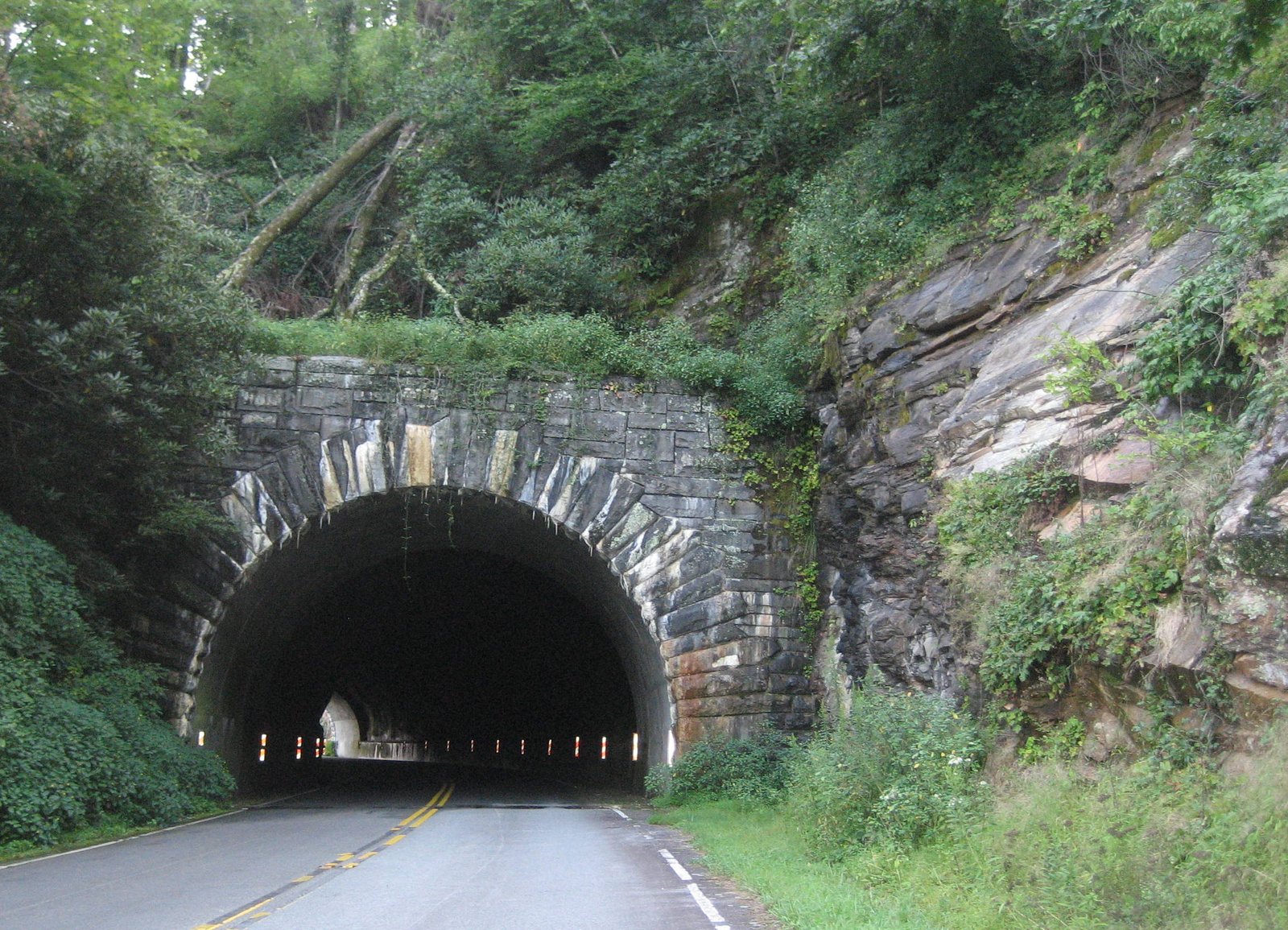
The Parkway meanders from the Shenandoah National Park and Skyline Drive in Virginia to the Cherokee Indian Reservation and Great Smoky Mountains National Park in North Carolina. It offers gorgeous views of the Central and Southern Appalachians while passing through 29 counties, five distinct mountain ranges, over four major rivers, and between 649 to 6,047 feet in elevation. There are 847 scenic vistas, 27 tunnels, 169 bridges and 90 historic structures within the park.

Blue Ridge Parkway Tunnel

The Blue Ridge Parkway boasts 47 Natural Heritage Areas, 54 different mammals, more than 50 salamanders and 35 reptiles, and 159 species of birds.

Miles and miles of nature, hiking trails, streams and waterfalls, camping, picnicking, towns and local attractions to explore, and ideal roadway for biking and motorcycling are all part of the Parkway journey.

So much American history and culture lives along the Parkway, you can spend days exploring it by vehicle, stopping at the overlooks, visitor centers, and major highlights. Or you can spend weeks or even months hiking and camping along this, the longest recreational road in America.

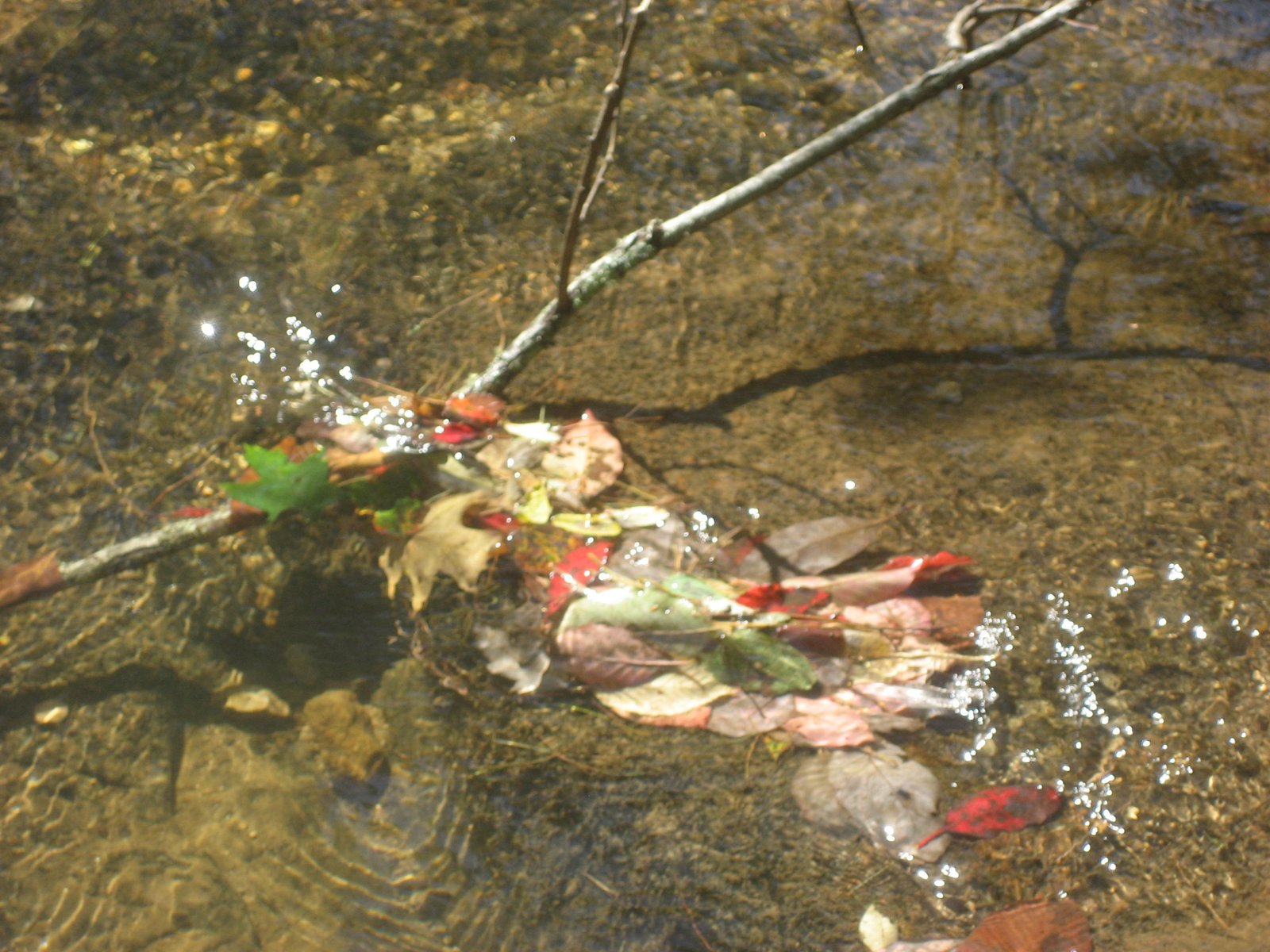
BRP, Linville River

From early Native American and American settlement history to 1935 when construction began as a public works project, to 1987 when the last segment was finally completed, and to today, the Blue Ridge Parkway has become the most visited park in the national park system.

President Franklin Roosevelt had the foresight, landscape architect Stanley W. Abbott and others had the design vision, and 1930s America had the workers to commence construction. The Works Progress Administration’s first contract paid men 30 cents per hour for six-day work weeks. Also involved were Emergency Relief Administration crews and personnel from four Civilian Conservation Corps camps. During World War II, the CCC crews were replaced by conscientious objectors in the Civilian Public Service program.

You can travel the entire length of the park or hop on and off at various connections to state and local roads. During our two-month stay in western North Carolina, we have traveled the Parkway within the state three times and seen

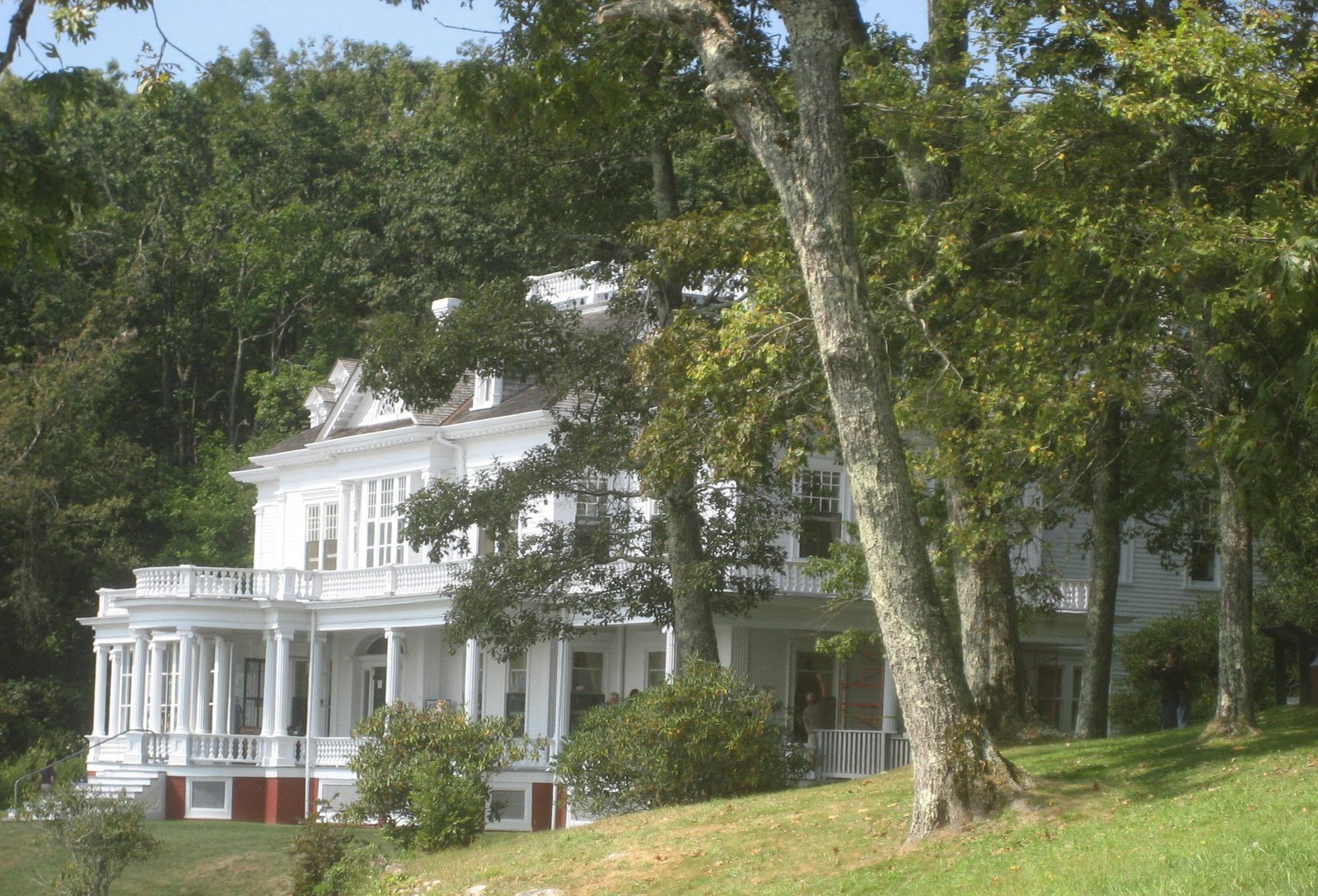
Flat Top Manor, Moses Cone Memorial Park

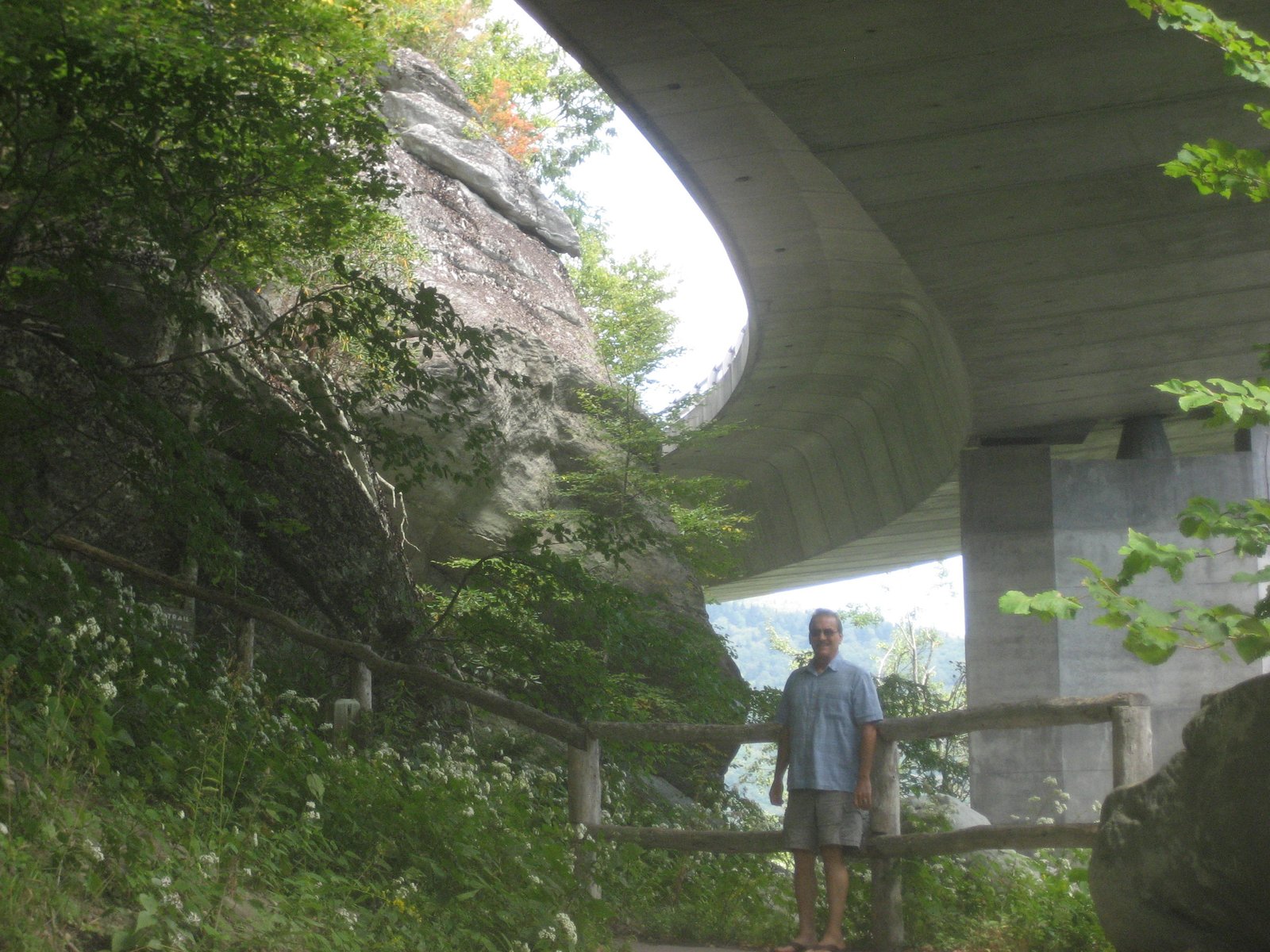
most of the stretch between Boone and Asheville, including visits to Moses Cone Memorial Park and Flat Top Manor, Julian Price Memorial Park, Linn Cove Viaduct, Linville Falls, the Folk Art Center, and the town of Blowing Rock. We would love to visit and hike more, so we imagine we’ll be back soon.

Mark under Linn Cove Viaduct

Because no signage exists along the road and utility lines are buried, you travel through an area as natural as can be, and at a 45-mph speed limit, you sometimes feel that not only have you stepped into nature but also back in time.

We recently saw a documentary about the Blue Ridge Parkway on PBS, which included a discussion of the cost and resources necessary to maintain the Parkway and whether it is worthwhile. No doubt exists in our minds that any national treasure this beautiful, useful, income-generating to localities and job-providing is absolutely worth maintaining and preserving, whatever the cost.

For more information:

National Park Service, U.S. Department of the Interior, http://www.nps.gov/blri

Blue Ridge Parkway 75, Inc., http://blueridgeparkway75.org

Romantic Asheville.com, Blue Ridge Parkway Guide, http://www.romanticasheville.com/BlueRidgeParkway.htm

Smithsonian.com, “75 Years of the Blue Ridge Parkway,” http://www.smithsonianmag.com/history-archaeology/75-Years-of-the-Blue-Ridge-Parkway.html?c=y&page=1