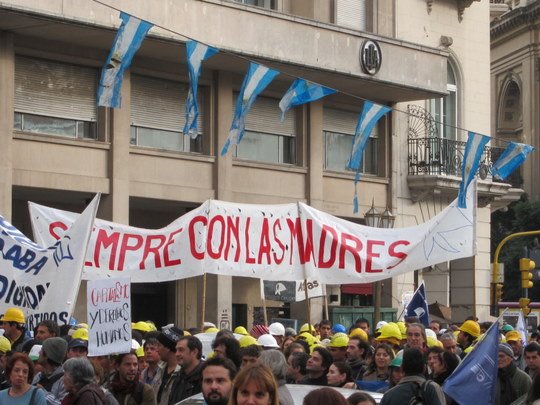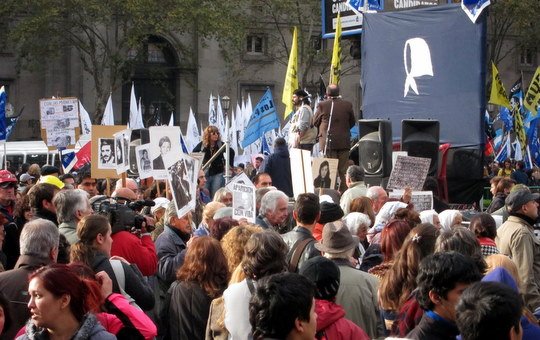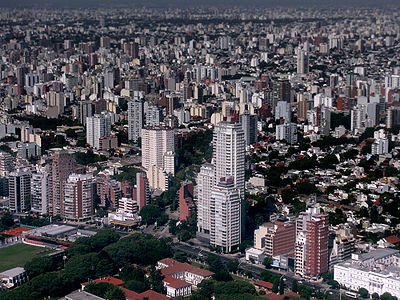
Hasta Luego Buenos Aires
Buenos Aires
On Wednesday June 15, 2011, we left Buenos Aires on one of the first flights to the United States out of the capital after the eruption of the Puyehue volcano in southern Chile spewed its ashes across Argentina.
The winds played capricious games with itineraries across the continent. Our original flight was for Monday the 13th. Ever the optimists, we took the $40, one-hour cab ride to the airport for our scheduled flight. We found ourselves back in our apartment pretty quickly, 80 bucks poorer. We were told Friday was the earliest available flight to the U.S.
Tuesday was the scramble day, trying to find a flight to the States. We looked at every option out there. A previously scheduled memorial service three days away on Friday in Michigan was not something we were prepared to miss.
Around noon on Tuesday the best option was to take a very long bus ride (700 miles) to Santiago, Chile, which would put us on the west side of the ash cloud. That bus was leaving at 5 pm. It was decision time, make the memorial at all costs or accept our fate in Buenos Aires.
Before we needed to make that decision, at around 12:30 pm, an email came from the local United Airlines representative saying that they had a "special flight" leaving at 9:00 am the next morning if we wanted to be on it. He said the winds were shifting in a hopeful direction and it was supposed to rain overnight, so they thought they could get the flight out. Amazingly, that flight left on time, which had us landing in the U.S. Wednesday evening.
Thursday morning we headed to Flint, Michigan, some 576 miles away in our 2003 Buick. The memorial loomed on Friday at 1:00 pm. With time to spare, we shared in the memorial and spent the weekend with relatives.

Downtown Flint Above the Cobblestone Street
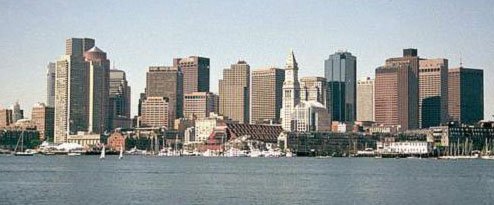
Boston Skyline
The following Tuesday we drove to Boston, Massachusetts (725 miles), to help our daughter move. A good night's rest in a motel and back on the road to Baltimore, Maryland (411 miles). So, seven days, some 5,000 flight miles and 1,700 driving miles since landing on our special flight out of Buenos Aires on Wednesday evening we began settling into our Baltimore apartment. It is Sunday the 26th, time to get busy.
We have much more to write about Buenos Aires. We spent four wonder-filled months in that great city. Our Spanish improved, we enjoyed several museums, some excellent meals, saw Placido Domingo perform live outdoors, listened to a symphony at Teatro Colon, reveled in spectacular natural beauty, and met some wonderful people. If you ever have the opportunity, seize it -- get to know Buenos Aires.
Stay tuned for more from ExpatExpressions...
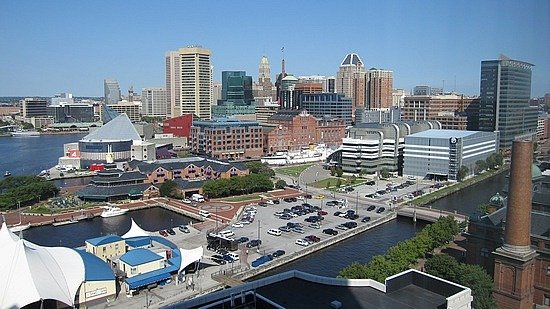
Baltimore, Maryland