Málaga, Spain
3/24/2010
Our plane landed in Málaga, Spain on March 19, since then we have traveled to Ronda, Cadiz, Tarifa, and Gibraltar and now back to our beginning. Málaga is home to roughly a half-million people, about 100 km (62 mi) east of the Strait of Gibraltar and about 130 km (80 mi) north of Africa.
Note to self: do not enter large foreign city after dark looking for your hostel while driving a rented car and without a GPS device.
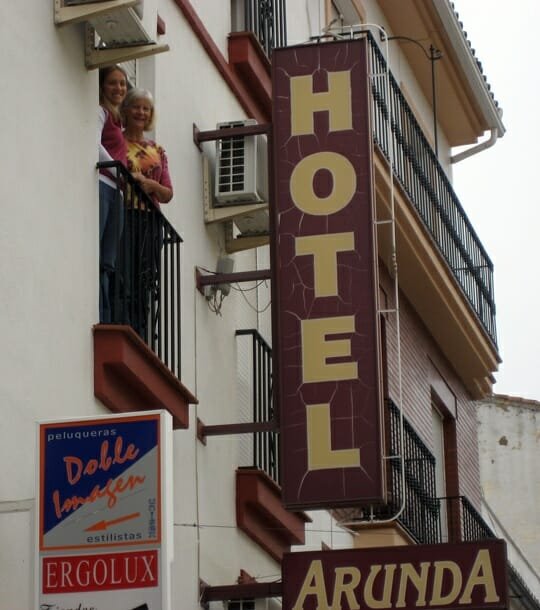
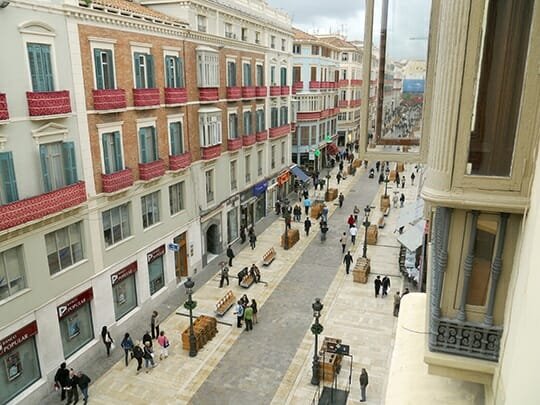
Street View from our Hostel Window
This time our hostel was well camouflaged along this busy walkway with a small sign of identification. After driving around and around honing in on this location, we parked along a dark and narrow street to proceed on foot. After entering the large wooden doors we hiked up a flight of stairs to check in. This hostel came highly recommended and lived up to its billing but it ain’t easy to find. The next morning we took the above photo from our room. I can remember only one hostel more difficult to find and that one was buried along the winding streets of Seville, Spain.
A bit about the city… Málaga’s history spans about 2,800 years, making it one of the oldest cities in the world. Founded by the Phoenicians around 770 BC, it was ruled by the Romans from 218 BC. After the fall of the empire it was under Islamic Arab domination until 1487 when Spain finally seized control. With the fall of Málaga, Granada became the only Moorish-controlled city on the Iberian peninsula after 800 years of rule. The archaeological remains and monuments from the Phoenician, Roman, Arabic and Christian eras make the historic center of the city an open museum.
Today, Málaga, while definitely a major economic center, has generated a growth in tourism served by Malaga Costa Del Sol Airport, one of the first in Spain, the fourth busiest and the oldest still in operation. The Port of Málaga is the city’s seaport, operating continuously at least since 600 BC. Rail service from the María Zambrano station connects Madrid and Barcelona with the new high-speed line making the trip to Madrid in considerably less than three hours. All of which, along with the great weather with lots of sunshine and Southern Spain beaches, makes Málaga a tourist destination but also a home to a sizable expatriate population of Brits and Germans.
For our visit, we targeted the birthplace of Pablo Picasso and the Museo Picasso Málaga, and the Gibralfaro castle which is next to the Alcazaba, the old Muslim palace which offered panoramic views of the city for our brief time in Málaga.
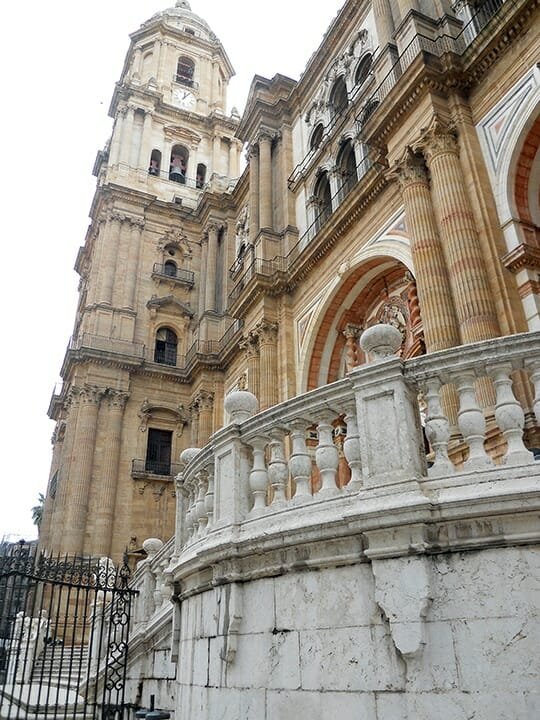
Cathedral of Málaga
The Cathedral of Málaga was the first major cathedral we visited after arriving in Spain. This Renaissance-style cathedral was constructed between 1528 and 1782. Two hundred and fifty years is incredible. The size and scope defies comprehension.
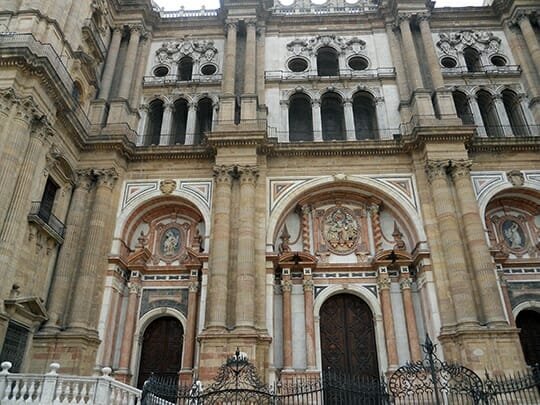 The inside is an awesome experience as one gazes at the enormity, the detail, and craftsmanship.
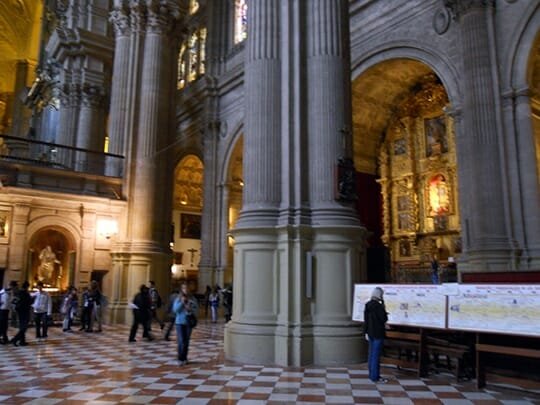
Inside the Cathedral of Málaga
The north tower rises 84 meters and is the second-highest cathedral in Andalusia, behind the Giralda of Seville. The south tower is unfinished. There are disputes on where the funds disappeared to, but because it is unfinished, the Cathedral has been nicknamed “La Manquita,” or in English, “The One-Armed Lady.”
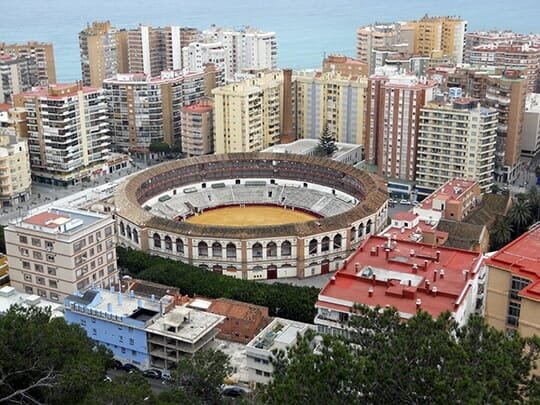
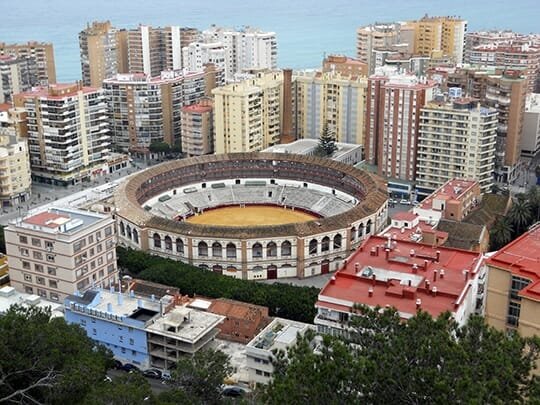
Having enjoyed visiting the birthplace of Picasso and the relatively new museo we took off for the walk up the hill to the Gibralfaro Castle with huge views over the city, including the Plaza de Toros de Ronda, one of the oldest operating bullrings in Spain.
The next road leads to Granada, Spain, where we will rent an apartment, experience Semana Santa, and immerse ourselves in the city for the next two months.
Mark Blondin, the next road …