Thanksgiving 2012, Ecuador, Cuenca, Cajas, Guayaquil
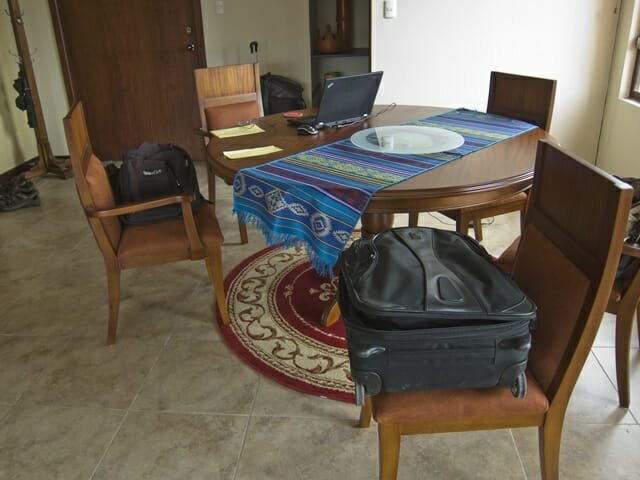
Ours was a nontraditional Thanksgiving. After three months of slow travel in Ecuador, we prepared for a full day of travel and exploration and completed it with a remarkable dinner. We were scurrying around by 6:30 a.m. in our Cuenca, Ecuador apartment, where we had lived for the past five weeks, as we finished packing for the next road. The plan was to take a cab to the bus station (Terminal Terrestre) at 10, then a four-hour bus ride to Guayaquil, spend the night and then fly to Panama the next afternoon.
We spent five weeks in our Cuenca apartment, three months in Ecuador.
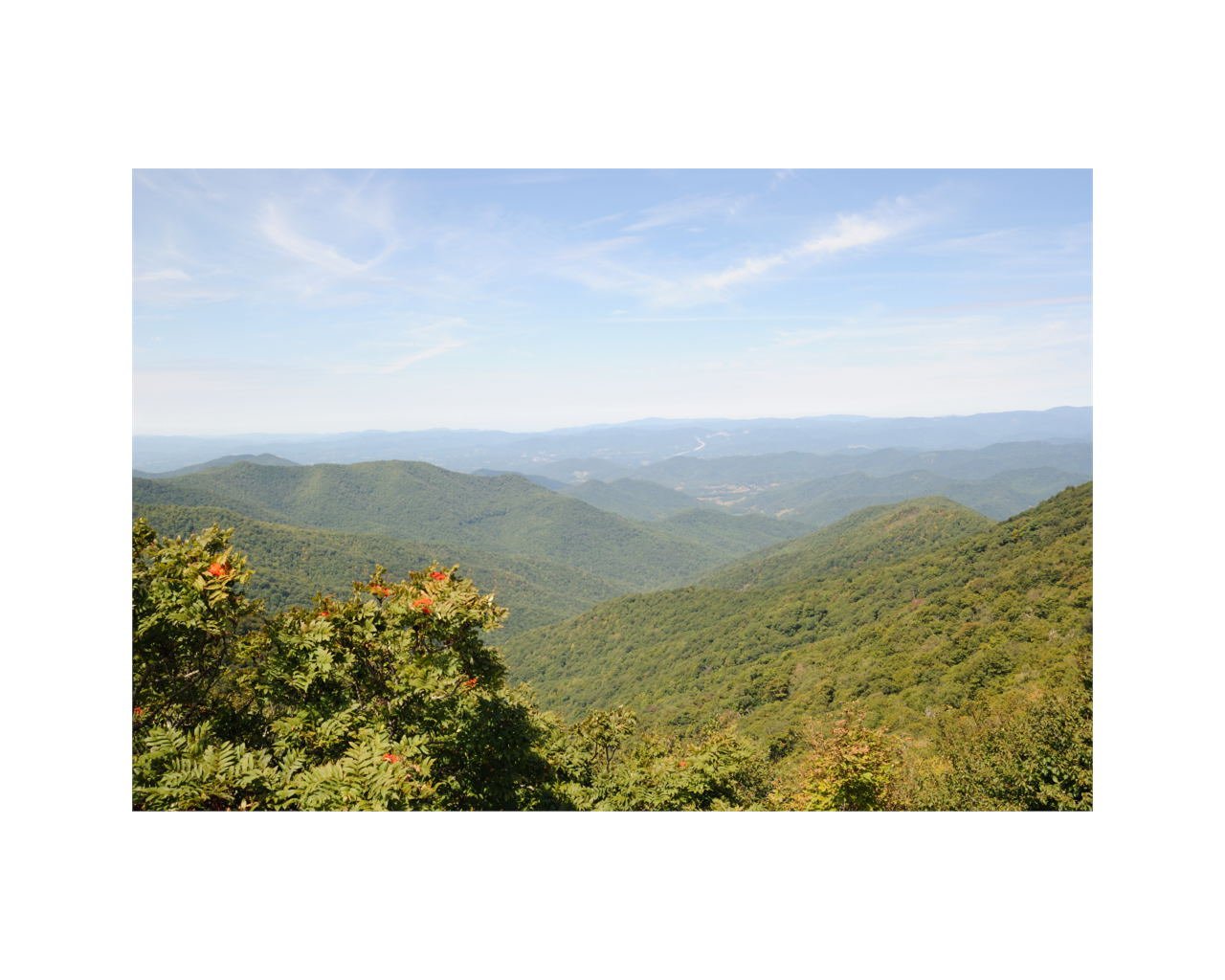
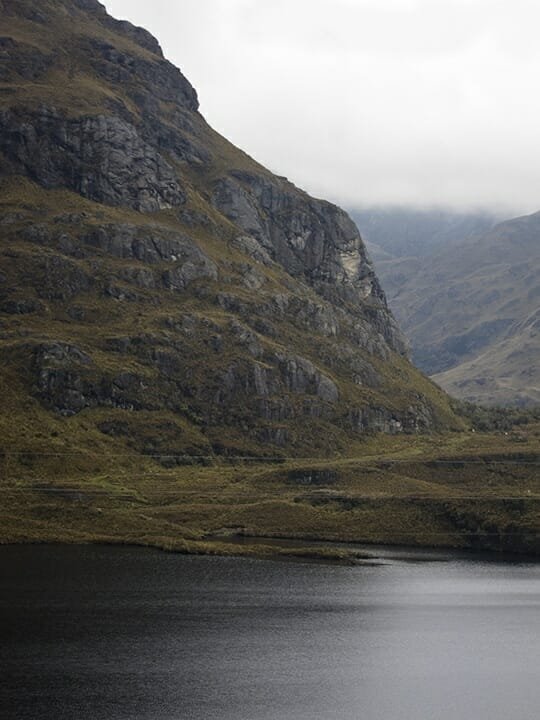
The cab arrived on time at 10 am. We were on the bus to Guayaquil by 10:30. About 30 km outside Cuenca we entered Parque Nacional Cajas (Cajas National Park). The highest point of the park is 4,450 meters (14,600 feet), and the park is filled with jagged landscapes and deep valleys. The park's 200-some glacial lakes and lagoons provide about 60 percent of the drinking water for Cuenca. Mountainous views into deep valleys laced with small villages delighted us as we followed the switchbacks between and around the peaks. 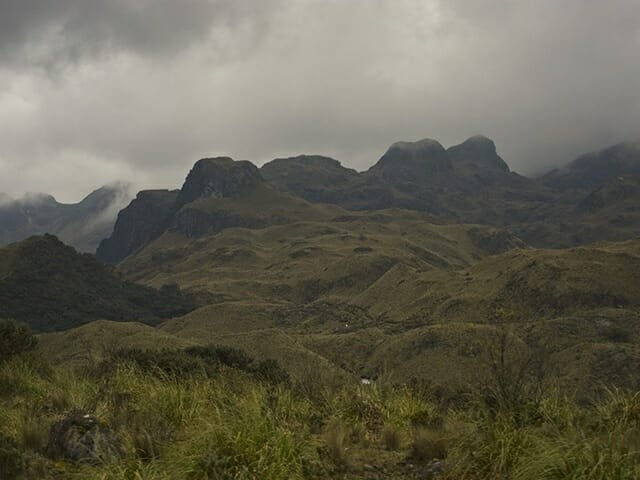
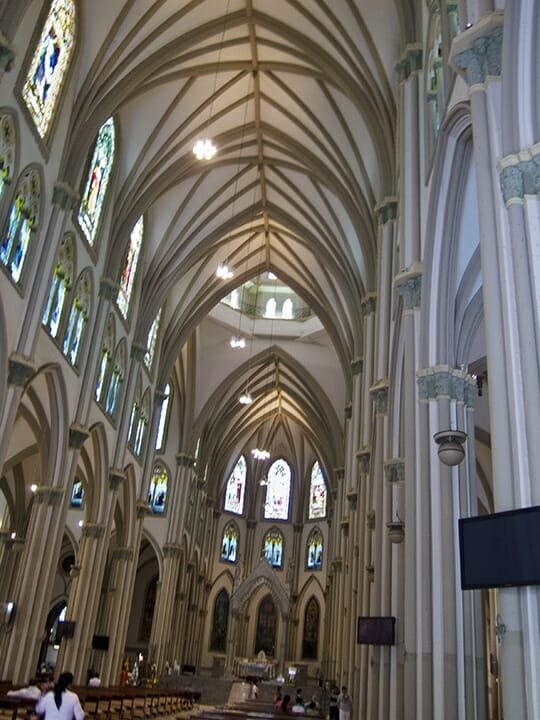
 Finally, the road leveled out, tropical vegetation everywhere as we made our way to sea level outside Guayaquil pronounced: [ɡwaʝaˈkil]), the largest and most populous city in Ecuador, with around 3.5 million people, and the nation's main port. Guayaquil is located on the western bank of the Guayas River, which flows into the Pacific Ocean at the Gulf of Guayaquil. From the modern Guayaquil bus terminal, we grabbed a cab to our downtown hotel. It was mid-afternoon, and the outside temperature had gone from the Cuenca constant 70 degrees to close to 90. We pulled out the shorts and light shirts and struck out to explore the busy city heading toward the Guayas river. Along the way, we saw the beautiful Metropolitan Cathedral of Guayaquil...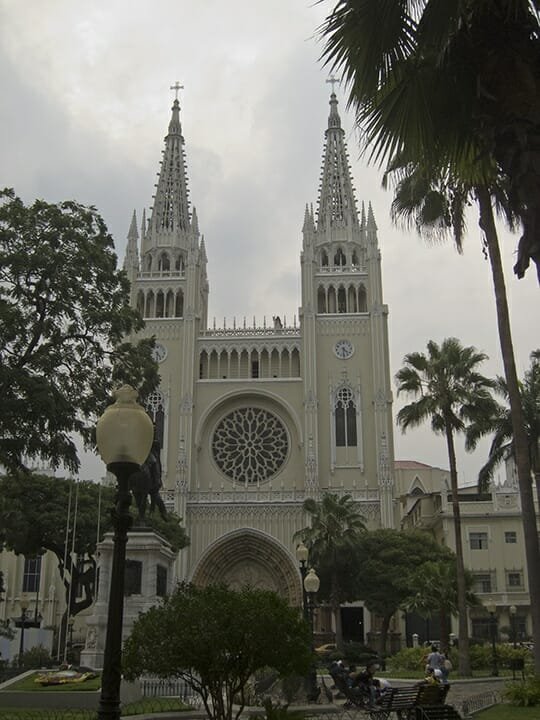
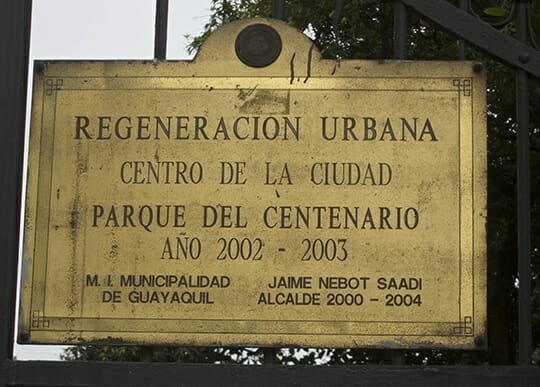
We wandered across the street to the park, a gathering place for adults and children filled with well manicured trees, flowers and tropical plants. About a city block wide, on this day the place was teeming. We noticed a crowd with cameras poised so we moved in for a closer look. It was a bit of a shock. Iguanas were walking around everywhere. People, children included, were surrounded. It was all a person could do to avoid stepping on their long tails. Some children were leery and needed parental reassuring, but for the most part it was zoo.
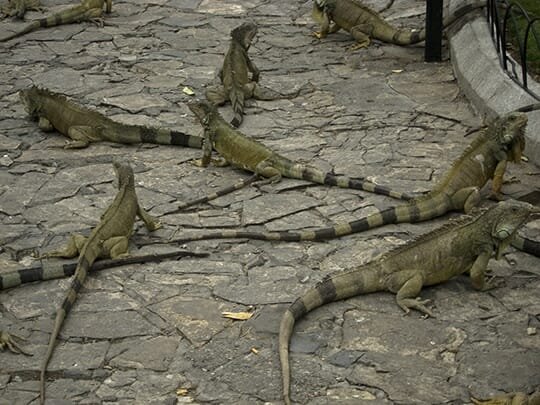
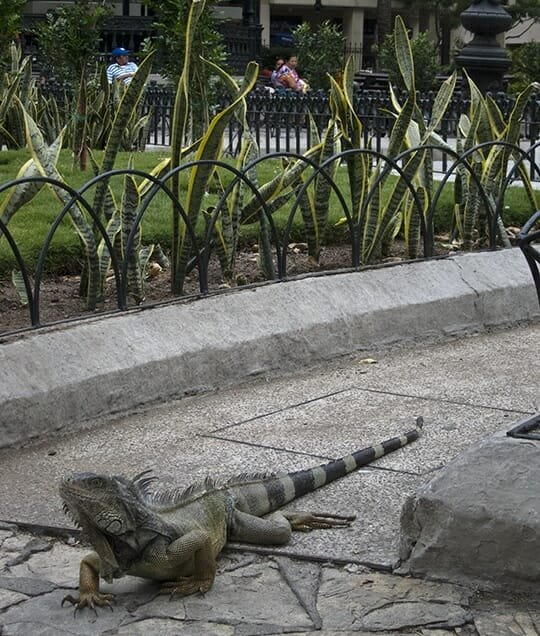
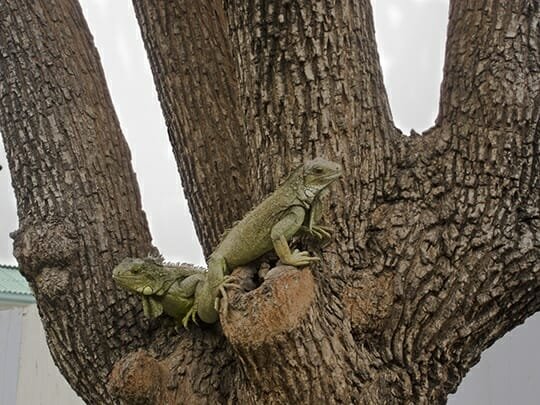
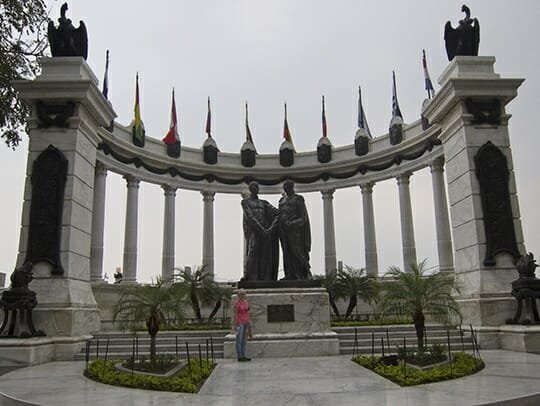
Okay, we didn't expect that and finally left the park mumbling about the Iguanas, the children's faces and reactions, and the comedy of it all. Having enjoyed some outstanding colonial architecture in Cuenca, we found Guayaquil impressive in size and scope with churches and historical buildings, but structures like this were more dispersed, it took some hunting to find them. 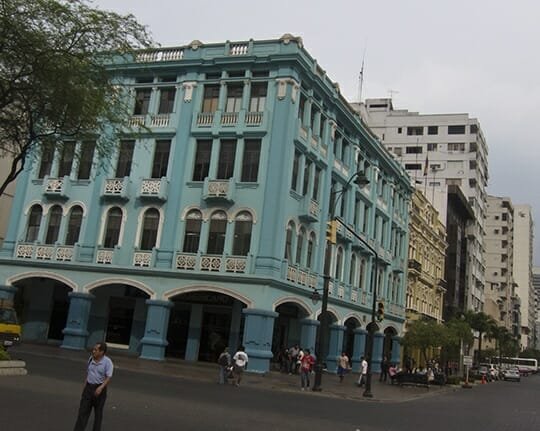 A few blocks away we landed on the Malecón 2000 (boardwalk), considered to be a model of urban renewal and declared a healthy public space by the Pan-American Organization of Health (POH) and the World Health Organization (WHO). We walked the 2.5 km boardwalk with views of several historical monuments, museums, gardens, fountains, shopping malls, restaurants, bars, and food courts.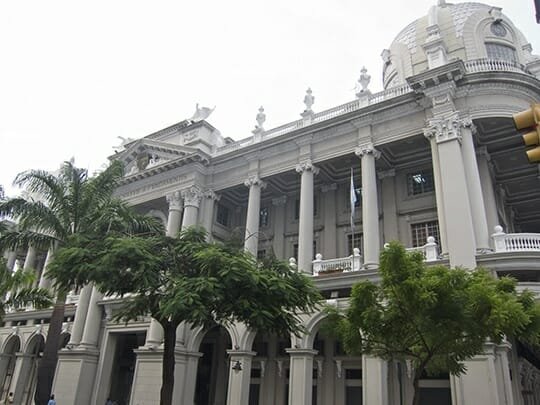
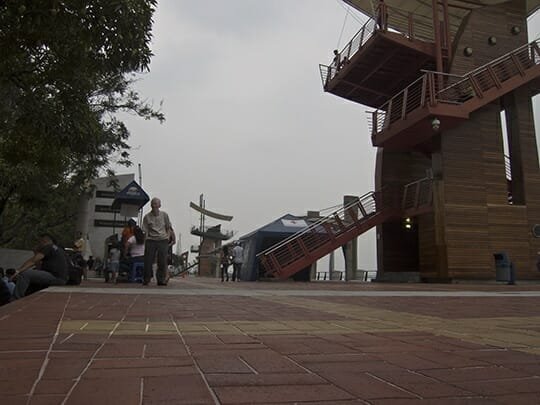
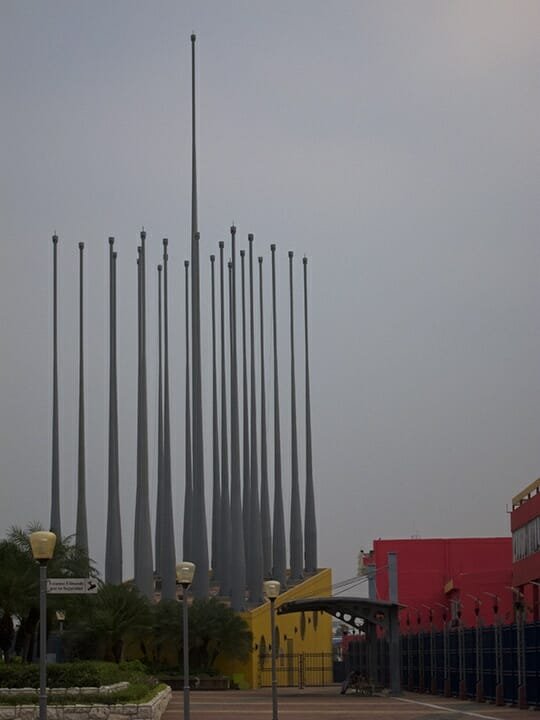
 We stumbled upon a free concert...
 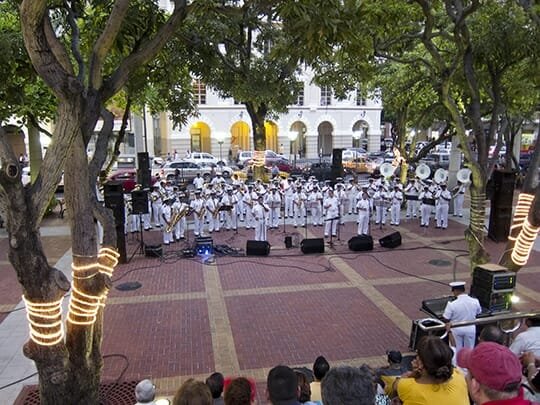 The band had a big sound and the crowd enthusiastically supported them. But now it was getting dark and we were hungry. You can set your watch by sunrise and sunset in Ecuador, the days are 12 hours long all year long. By the time we hailed a taxi it was 7 p.m.
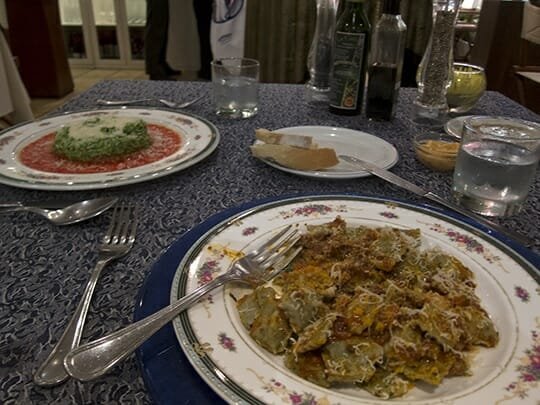
 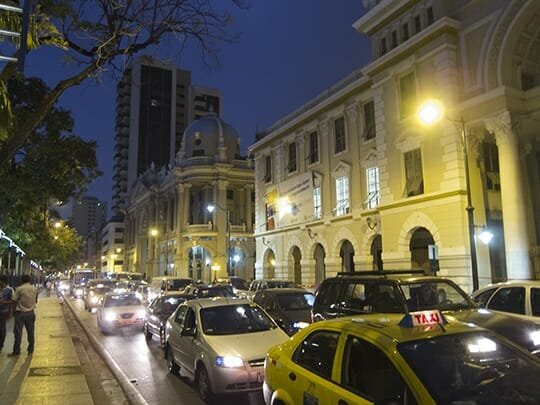 It was a 30-minute ($4 dollar cab) ride across town to the Riveria restaurant, which had a reputation for great food. We stood outside looking at the menu, and the place was empty so we thought we had the wrong place. We balked at first and then decided to wade in. We were hardly seated when the crowd started to trickle in. By the time we finished ordering, the place was half full and by the end of our meal, there was a wait. We had a great Italian Thanksgiving meal.
  Luckily we didn't have an early flight. After this day we were thankful to stretch out in our hotel room, prepare some last minute itinerary stuff and relax, e.g. fall asleep. What a day! We arrived at the Guayquil airport the next day easily two hours ahead of our Copa flight to Panama. Our three months in Ecuador were quickly coming to a close and a new chapter a two-hour plane flight away.