It is impossible not to notice the imagery, graffiti, and references to María Eva Duarte de Perón in Buenos Aires. When we visited the Casa Rosada, the national reverence for Evita was evident. Books, pins, posters and other Evita memorabilia are displayed at street markets and antique shops. She seems to evoke the same feelings we in the U.S. have for Roosevelt and for similar reasons.
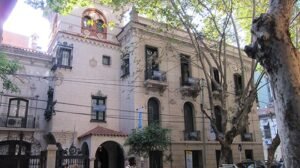
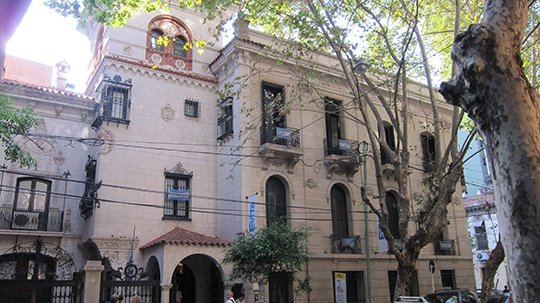
Our interest piqued, last week we visited the Evita Museum (Museo Evita) located at 2988 Lafinur Street in the Palermo neighborhood of Buenos Aires fairly close to our apartment. The entrance fee was 15 pesos each, headset for an English translation extra but not absolutely necessary. We were not disappointed in our visit to this museo.
Most everyone knows Evita’s basic story if from nothing else than the musical Evitastarring Madona with music by Andrew Lloyd Webber and lyrics by Tim Rice.
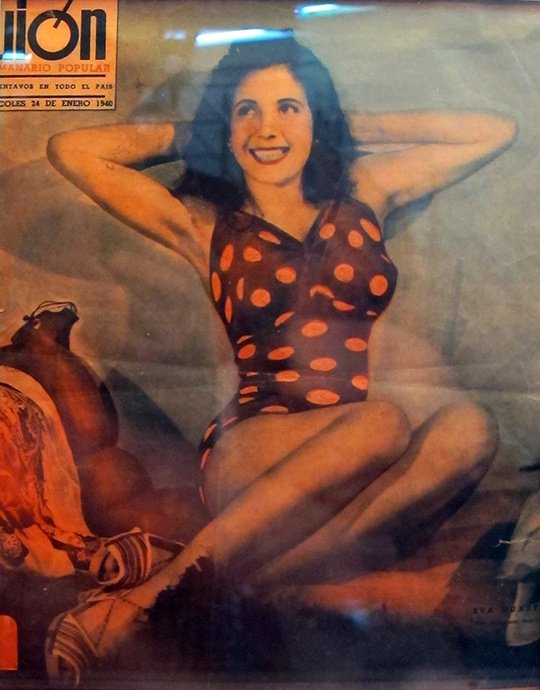
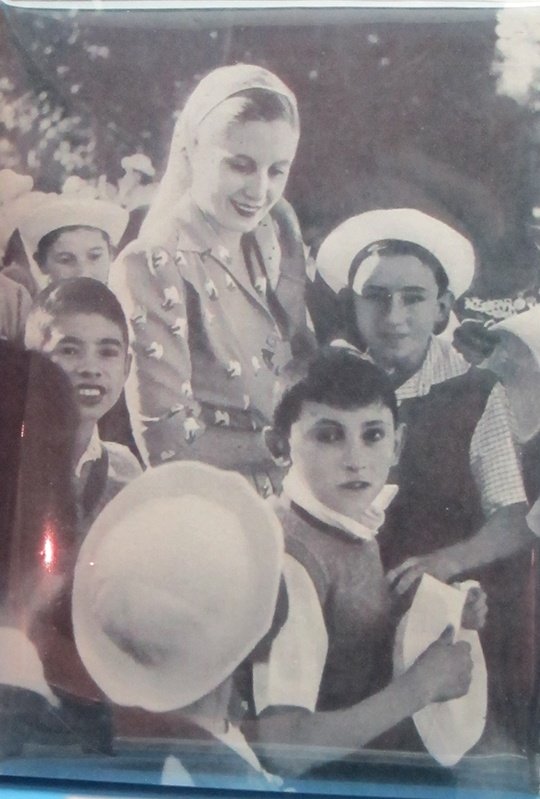
The museo offered a detailed examination of her life complete with original photos and video, newspapers, magazines, film clips, and clothing. Eva’s life is one of the all-time, great, rags-to-riches, storybook tales. Born out of wedlock in a small rural village, she moved to Buenos Aires in 1934 at the age of 15. Here she pursued and successfully established a career in radio, on the stage and as a film actress. A short 10 years later she married Juan Perón who would soon be the president of Argentina and become a political legend.
At the height of her popularity at age 33, Evita died of cancer on July 26, 1952, roughly 18 years after arriving in Buenos Aires. During that short period Evita achieved stardom, engaged in political action culminating in becoming Argentina’s First Lady, became a world-renowned activist for the poor and disenfranchised, and in 1947 became a player on the world scene with her “Rainbow Tour” of Europe as First Lady of Argentina where she met with dignitaries, heads of state and the Pope.
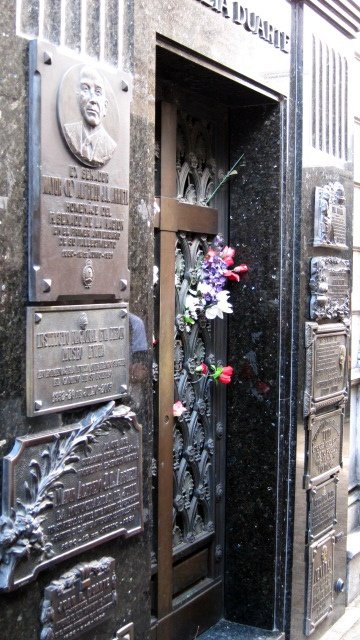
After Evita’s death her body took an intriguing path, its whereabouts remaining a mystery for 16 years. It was a period of a military dictatorship in Argentina with a ban on Peronism. Finally the military revealed that Evita’s body had been buried in a crypt in Milan, Italy, under the name María Maggi. Today her body resides in the famed Recoleta Cemetery here in Buenos Aires.
We took this photo at the Recoleta Cemetery (more later)
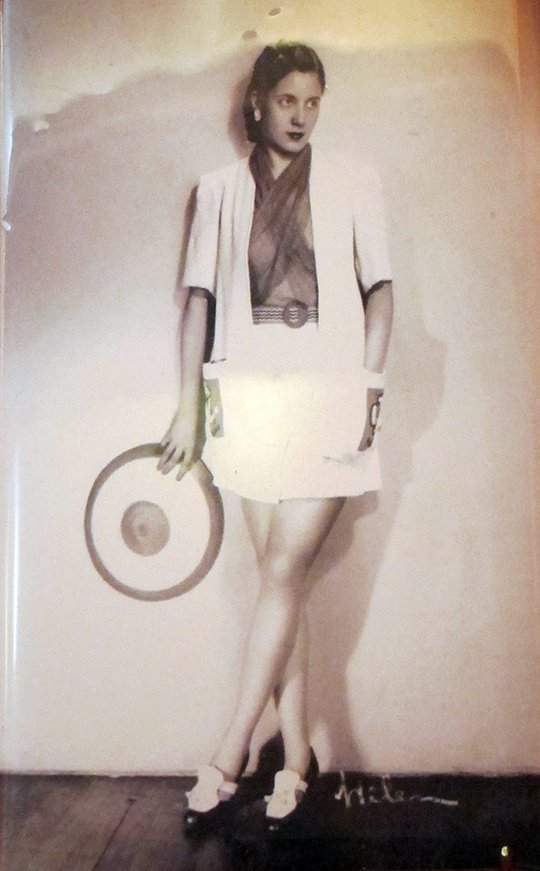
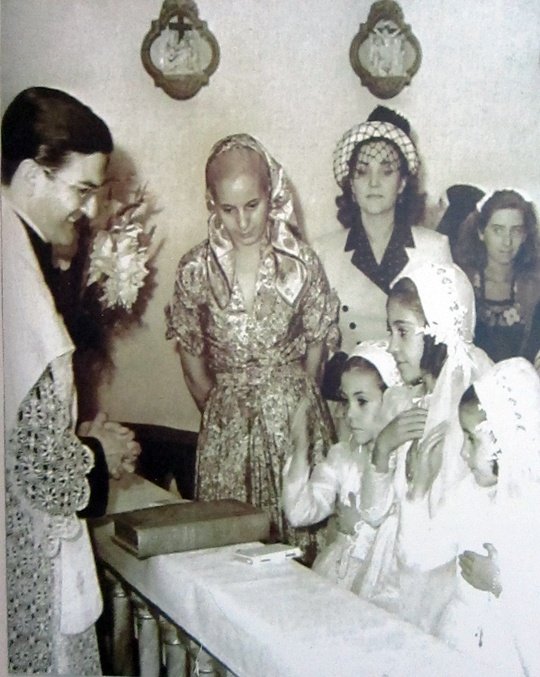
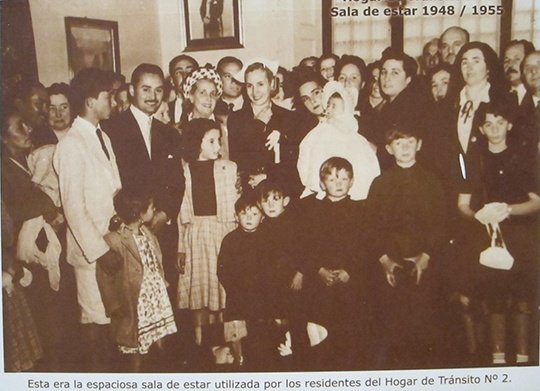
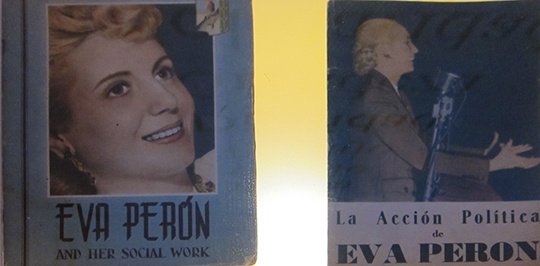
The museo houses great original photos…
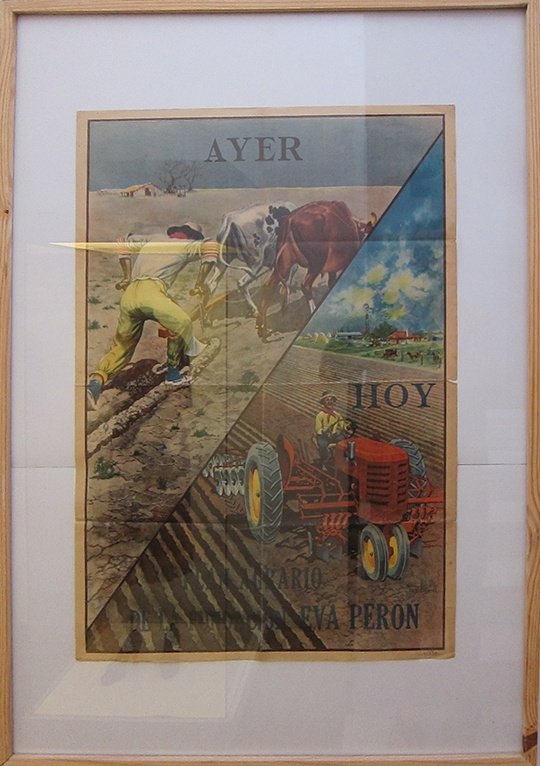
The photo below is a great period piece. The Peróns focused on transforming the economy, thereby providing jobs and spurring the economy.
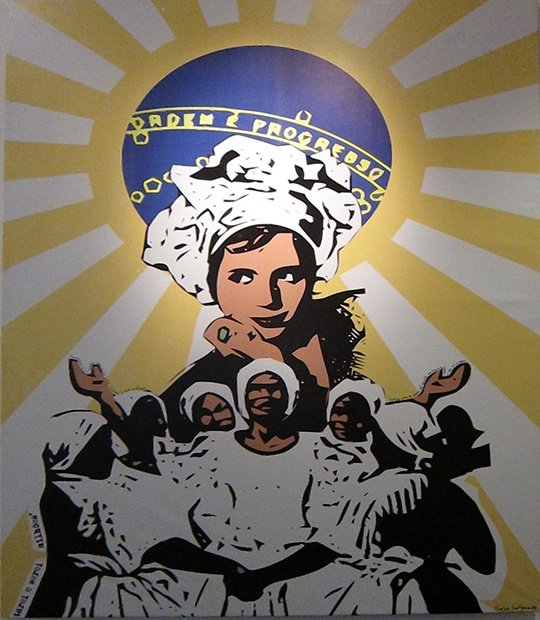
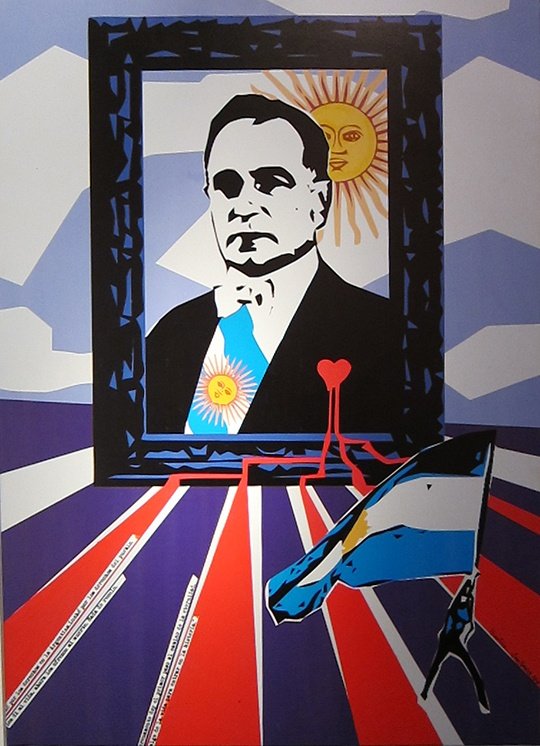
There was also a series of modern art pieces focused on Eva and Juan.
Our afternoon at the Evita Perón museo left us filled with questions about the richness of life, no matter how long or short, what makes for a great and revered political and cultural leader, and how life seems to thrust some people into a role and purpose with no warning or easily understood reason.
The career of Juan Perón continued, he became president for the third time in 1973 and died in office in 1974. His third wife, Isabel Perón, who had been elected vice-president, succeeded him as president.
Perónism lives today; the current president of Argentina, Cristina Fernández de Kirchner, leads the Peronist political party that currently dominates elections.
For additional reading:
Evita: The Woman Behind the Myth. A&E Biography. 1996
Adams, Jerome R (1993). Latin American Heroes: Liberators and Patriots from 1500 to the Present. Ballantine Books. ISBN 0345383842.
Barnes, John (1978). Evita, First Lady: A Biography of Eva Perón. New York, New York: Grove Press.
Crassweller, Robert D (1987). Peron and the Enigmas of Argentina. W.W. Norton & Company. ISBN 0393023818.
Guillermoprieto, Alma (2002). Looking for History: Dispatches from Latin America. Vintage. ISBN 0375725822.
Perón, Eva (1952). La Razón de mi vida. Buro Editors.
Juan Pablo Queiroz, Tomas De Elia, ed. Evita: An Intimate Portrait of Eva Peron.
Rousso-Lenoir, Fabienne. America Latina. ISBN 2843233356.
In this massive city filled with active avenues, cars, buses and people, there are an amazing number of parks and plazas. Our apartment is located very near one of the nicest. There is something there for everyone.*
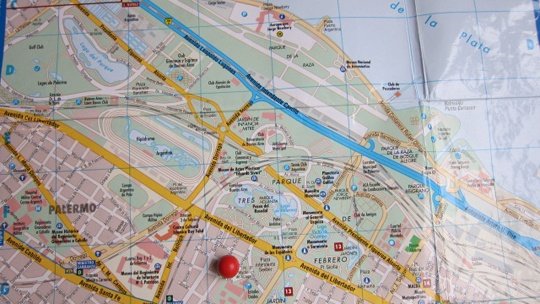
Parque Tres de Febrero, also known as the Bosques de Palermo (“Palermo Woods”), is big (see map below). Sometimes compared to Central Park in New York or vice-versa, it has a similar scope and flavor of activity. Suffice it to say it is a world-class park. Luckily for us we can walk a couple of blocks, cross Libertador and we are there. Not to get bogged down in the history of how the park came to be but this is a good story. In 1852 Juan Manuel de Rosas was overthrown. It sounds like he might not have been a very nice guy which makes taking his lands and making a public park seem like a reasonable thing to do. That event (the overthrow) took place on Februrary 3, 1852. So for a little in-your-face irony the park was named Parque Tres de Febrero (February 3 Park). Touché!
The design was created by urbanist Jordán Czeslaw Wysocki and architect Julio Dormal, the park was inaugurated on November 11, 1875. French Argentine urbanist Carlos Thays was later commissioned to expand and further beautify the park, between 1892 and 1912. Thays designed the Zoological Gardens, the Botanical Gardens, the adjoining Plaza Italia and the Rose Garden. See, I told you this was good. As you can see on the map, this is a park with parks within and adjoining parks that extends quite a distance.
We go to Parque Tres de Febrero several times a week which is one of the benefits of renting an apartment a few blocks away. I know what you are thinking and you are so right, we have a ton of photos to show. Luckily the editor will manage the impulse to show them all. Let’s get started. The park comes alive on the weekends when seemingly the entire city comes to play and relax.
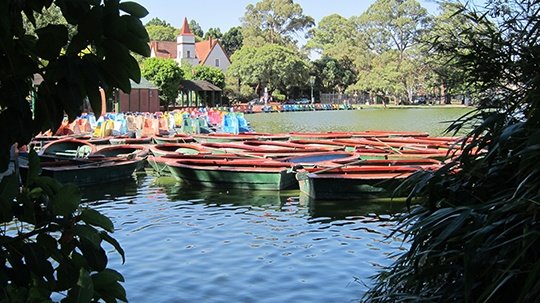
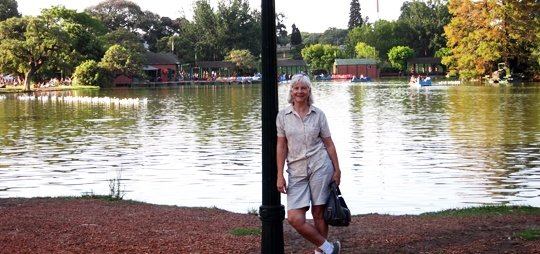
The centerpiece is an active, small lake where boats are available for rent and people congregate to relax and sunbathe.
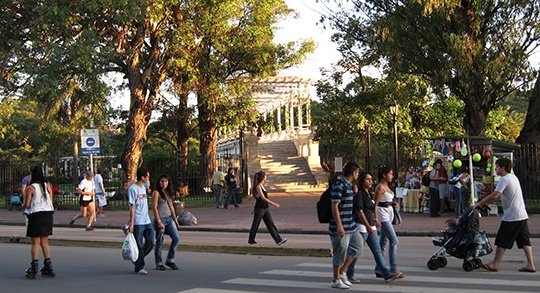
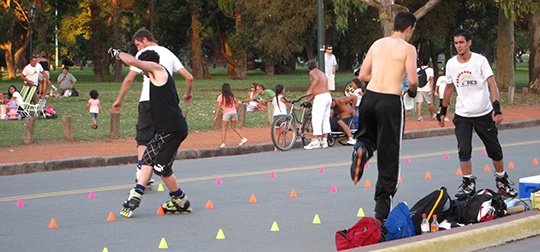
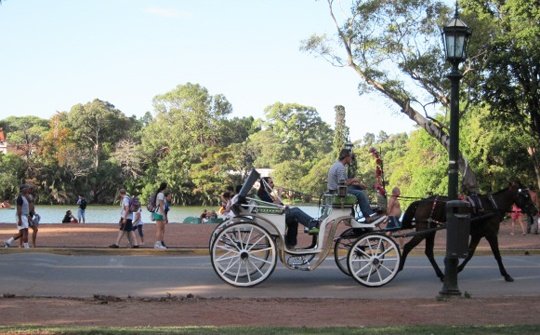
A wide roadway circles the lake, cars are not allowed, so this track gets filled with bicycles, rollerbladers, horse drawn carriages, walkers and runners.
It is an endless stream of people, all ages, shapes and sizes. Vendors line the streets with food, bicycles and rollerblades for rent, ice cream and goodies for the park.
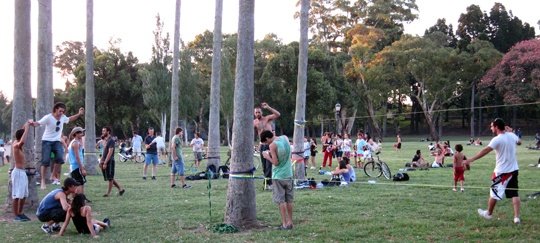
A couple of things caught our attention in this people-watching meca. In one open area between tall trees these athletes perform some amazing feats of tight rope walking artistry. I was particularly drawn to this area, most likely explained by the family heritage.
Rollerblading is a popular activity. It is inexpensive to rent the skates and experts mix with weekend warriors. This self-made obstacle course gives the experts a chance to show their artistry. They are amazing…
For the less athletic or those inclined toward the romantic, there are these horse drawn carriages.
But there is much more to this park beyond the opportunity to exercise (which seems to be a national past time), relax with a picnic, or cruise the lake. For example…
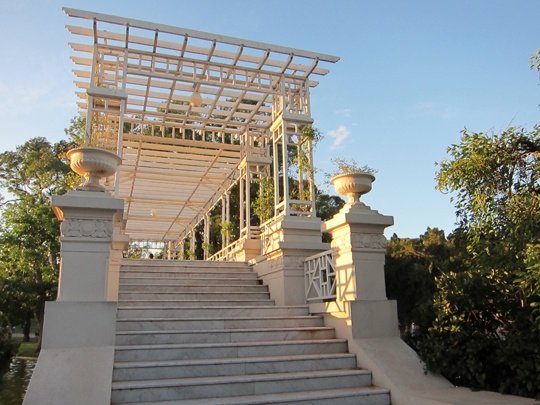
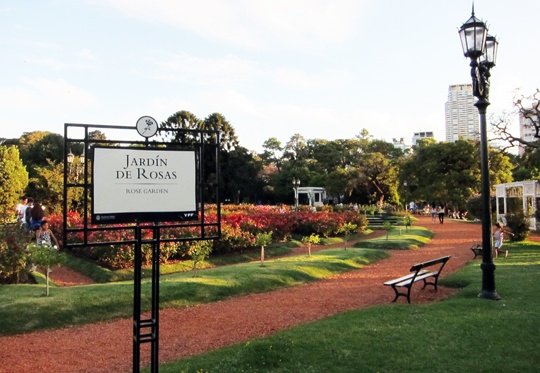
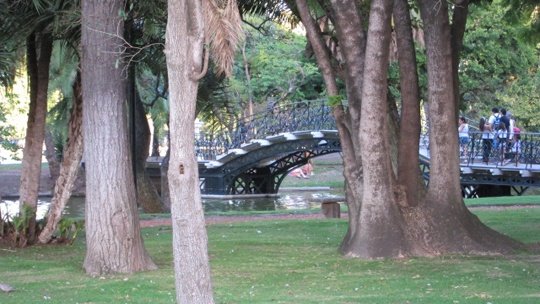
This bridge crosses the lake and takes you into a park within a park called Jardin de Rosas….
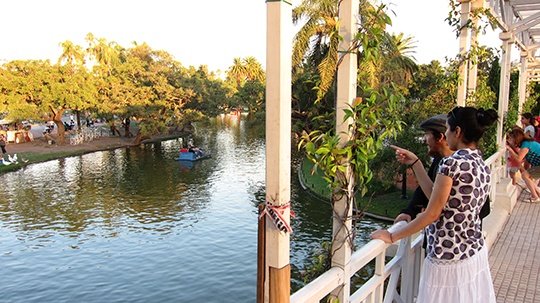
The view from the top provides a perfect place for couples to gather.
Sr. Carlos Thays outdid himself with the design including the multiple bridge crossings.
This part of park has a definite European flavor…
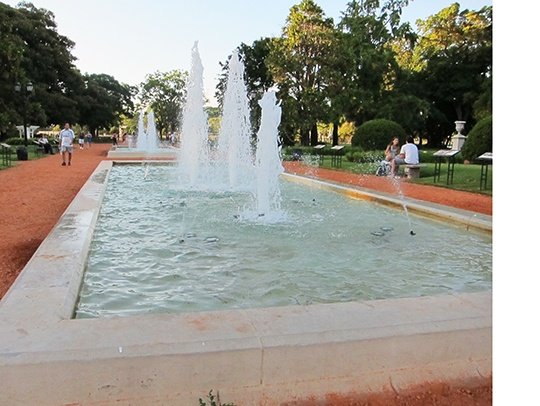
You couldn’t have a world-class park without a fountain centerpiece.
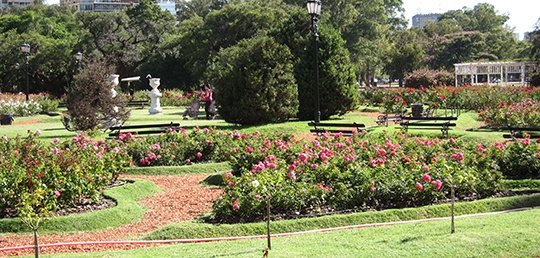
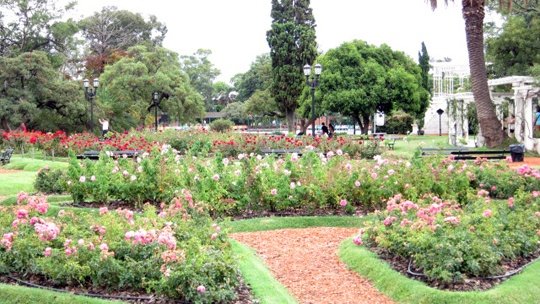
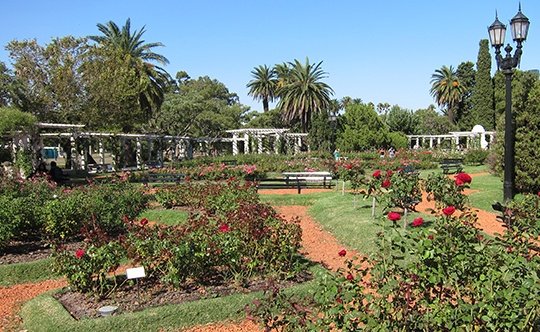
Somewhere it states that there are over 12,000 roses in this park and there is no reason to doubt that statement.
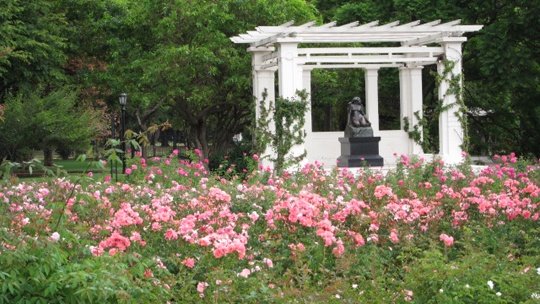
The views are almost breathtaking. In this area, the white lattice-covered walkways are exceptional.
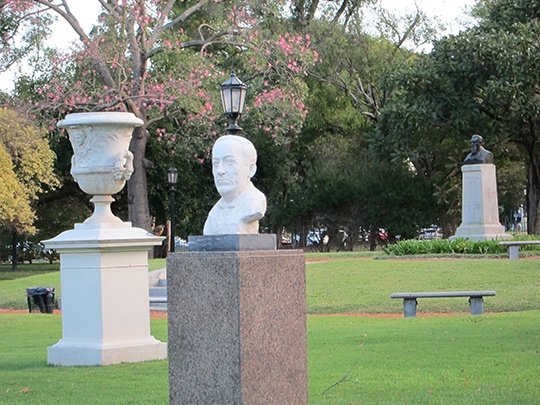
We need a separate post just for the statues. As you can see they are varied and placed throughout the park.
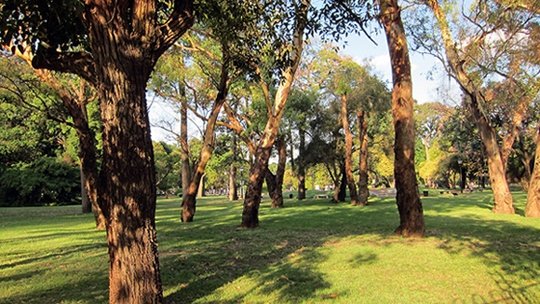
The picture below is a favorite, the light provided a perfect cast that communicates the peaceful setting.
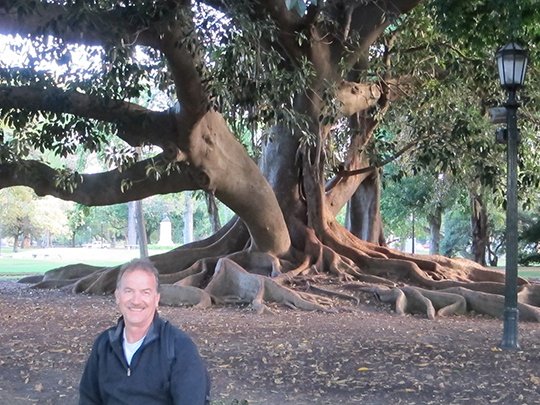
In Florida they have Banyan trees, I am not sure this is one, but it is striking.
From the look of the picture below this could be taken on a weekday when the park is somewhat quieter. Sometimes after a mind-boggling Spanish lesson we walk over to the park to unwind and to review.
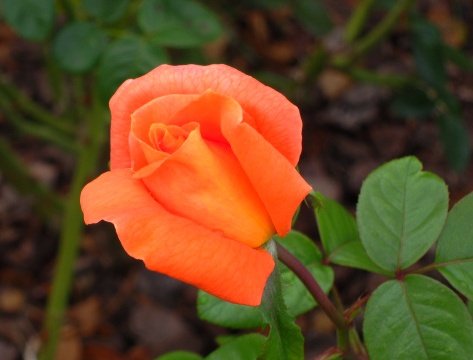
Time to go, so this post will end on the timeless rose…
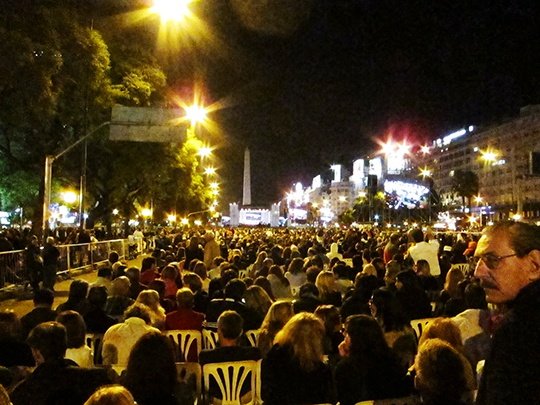
Last night we joined the estimated 125,000 people gathered at the Obelisk located at the interesection of avenues Corrientes and 9 de Julio for a free outdoor concert by opera legend José Plácido Domingo Embil. He was joined by soprano Virginia Tola and accompanied by the choir and orchestra of the Teatro Colón under the direction of Eugene Kohn. The repertoire included arias, operettas and even tangos and lasted over three hours. Wow.
Part of the enormous crowd – yes, that is the stage way up there!
Here is a short video to provide a feel for the moment…
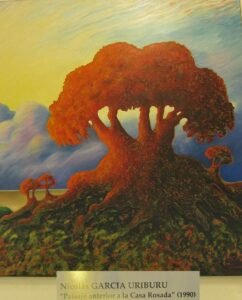
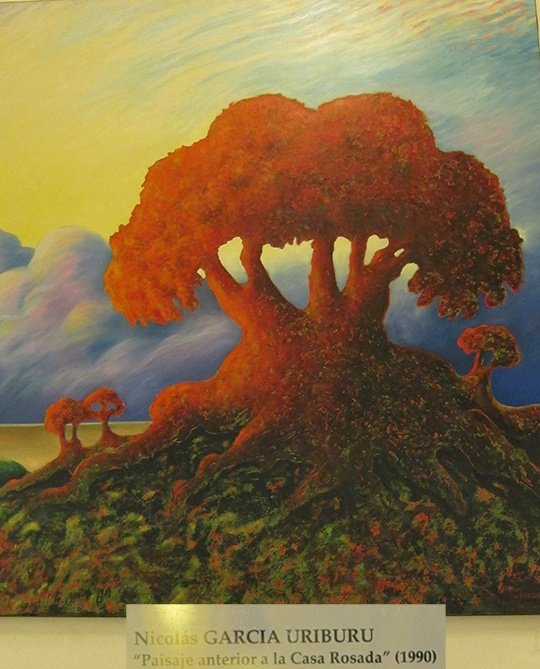
“Paisaje anterior a la Casa Rosada” by Nicolás García Uriburu, located in Casa Rosada
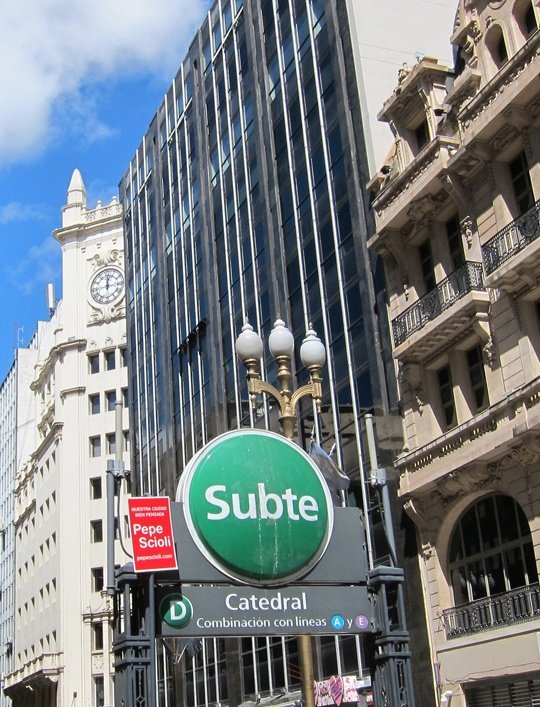
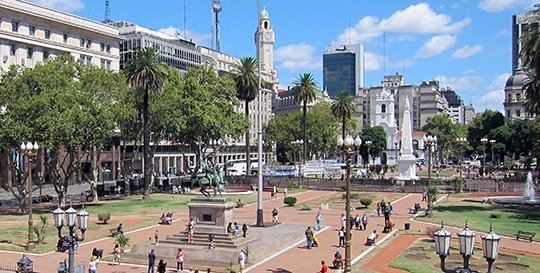
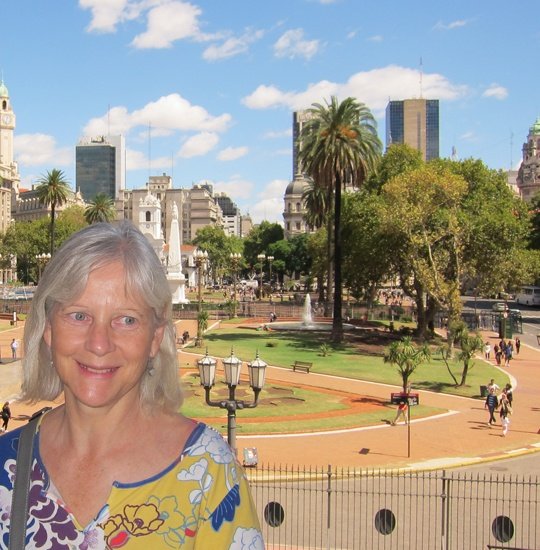
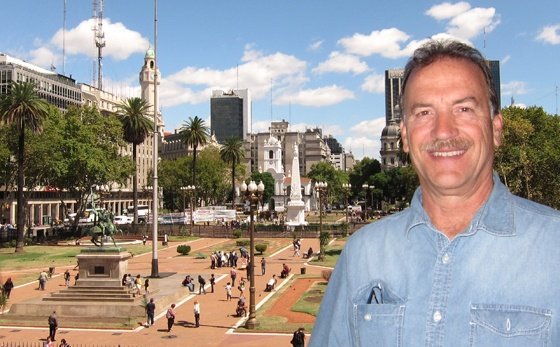
Sunday morning we were out of the apartment around 11 headed for the Green Subte Line on Santa Fe about eight blocks away for a long postponed visit to Casa Rosada, the official seat of the executive branch of the government of Argentina located in Plaza de Mayo.
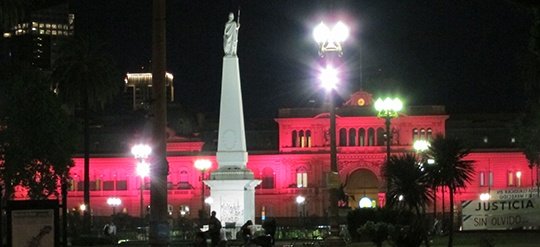
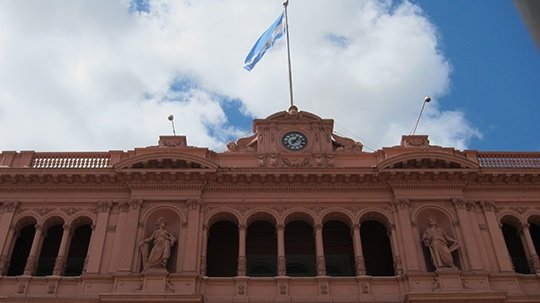
Even though we spent the first two weeks in BA living in an apartment a few blocks away and had passed through Plaza de Mayo (prounced Masho) several times, we had not toured the Presidential Palace. In a recent Huffington Post article Casa Rosada was among the top 13 palaces of the world. One night passing through the plaza we caught this stunning image which explains why it is called the Pink House.
Casa Rosado
The rain on Saturday had finally broken the heat wave that had gripped Buenos Aires for several days that had even porteños (local word for BA residents) complaining, given that summer is coming to a close here in the southern hemisphere.
We actually wore jeans and long sleeve shirts as the sun shone and temps hovered around 70 degrees. The subway line was pleasantly unpopulated as we journeyed several stops to the southern portion of the city at the end of the Green Line.
Catedral
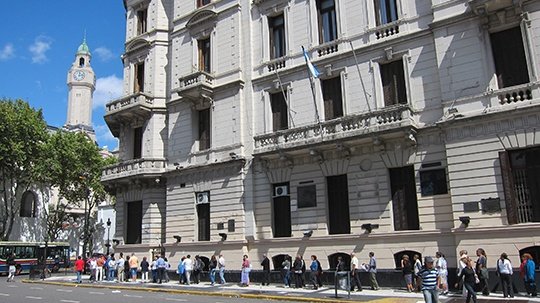
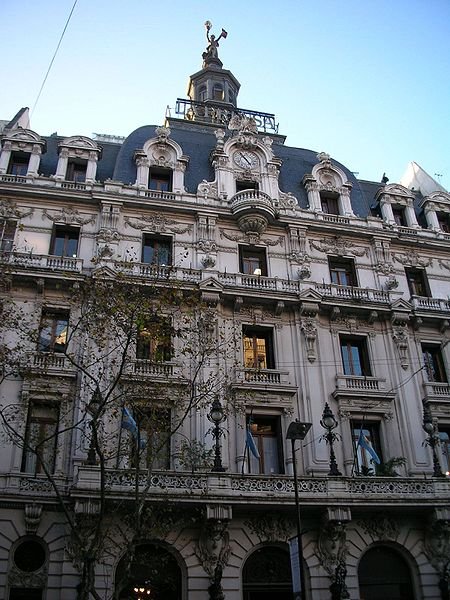
Emerging from the subway near Plaza de Mayo we were struck again by the architectural beauty of this part of the city. The next thing we noticed was a long line around the Buenos AiresHouse of Culture.
Curiously long line
Obviously we had not been reading the same sources for activities in the city because as we made our way to the front of this tremendous line we discovered local television media interviewing people.
Come to find out Placido Domingo (now 70) is giving a free concert here March 23 and the line was for tickets to get one of the 22,000 chairs that will be provide for this free outdoor concert. The rest of us will need to bring chairs or stand. This is a good article describing the event. Look for us there.
Here is a nice photo of the Buenos Aires House of Culture…
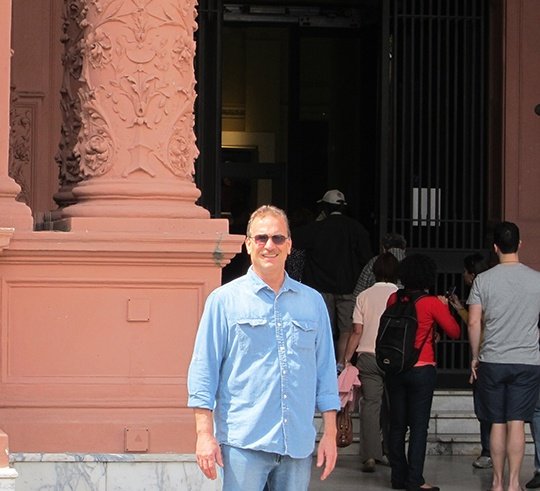
Mark Photo Op at the Entrance
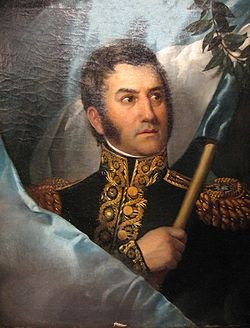
We made our way across the Plaza and into the Palace. The entry was stunning with a series of paintings and busts depicting national heroes. The free tour began as we made our way to the 2nd floor. One interesting fact is that this building houses the current executive offices for the government of Argentina (it is a working palace) so these tours are only offered on weekends. It is closed to the public M-F.
José de San Martín (1778-1850)
I won’t go into history here but suffice it to say, José de San Martín (c. 1778 – 17 August 1850) is a national hero given credit for liberating Argentina from Spain.
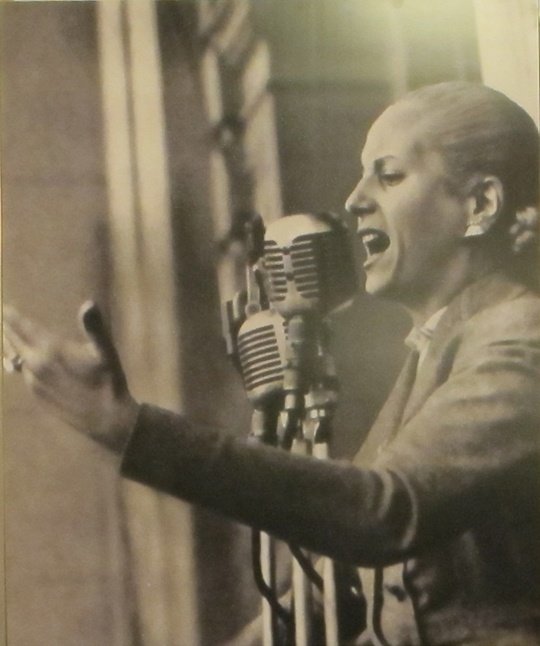
Evita Perón images were widely displayed as well. While I like to read about politcs in all of the Americas, including South America, I am no expert and can only give my impressions. It seems that Evita has a similar national reverence as FDR has in the U.S. and for similar reasons. She was a champion of the poor and those in need. Perhaps Obama might take note of what it takes to become a leader who earns a place in history. This photo displayed inside was especially compelling.
Evita Photo from Palace
On October 15, 1945, at 11 pm , Evita stepped on to the balcony before an estimated 250,000-350,000 people gathered in the plaza below to demand the release from prison of her soon-to-be husband, Juan Perón. The scene must have been electrifying. Two days later he was released, and on October 18, they were married.
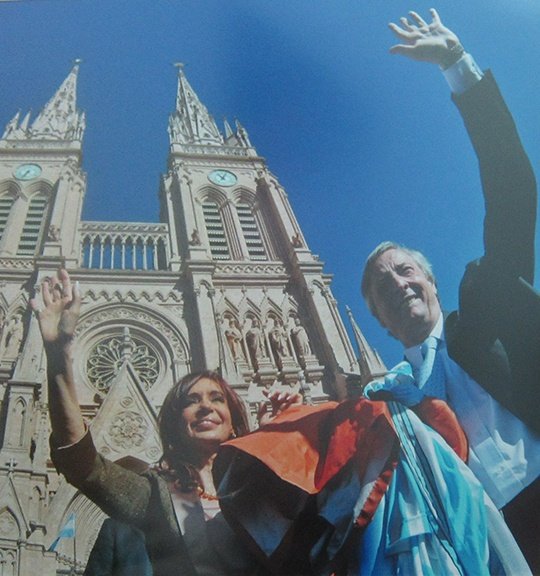
This husband and wife team (below) have dominated Argentine politics for the last decade. Néstor Carlos Kirchner served from 2003-2007, died from a heart attack and then was succeeded by his wife, Cristina Kirchnerin the 2007 election.
From what I read, Cristina Kirchner is popular and does well in polling for the next presidential election. She has been referred to as the “Hillary Clinton” of South America. She heads the Peronist Party here that leans to the left politically.
Okay, enough politics. From this point I will let the pictures speak for themselves.
The Casa Rosada is obviously striking.
Here is the view looking out, which fills the mind with images of what the crowded scene must have looked like as Evita spoke from the balcony.
View from the Balcony
Okay, another photo op…
Beautiful
And one of me from the balcony…
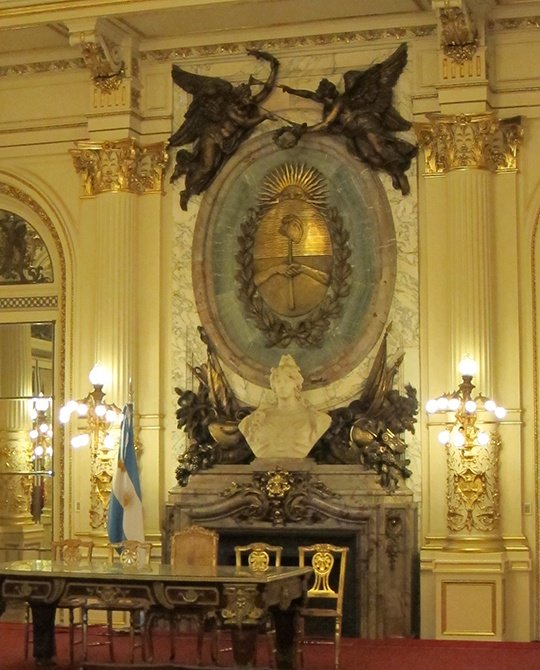
We continued the tour with stops in the executive offices.
National Seal
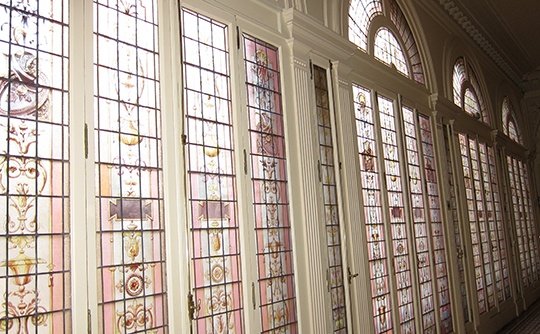
This stained glass wall caught our attention…
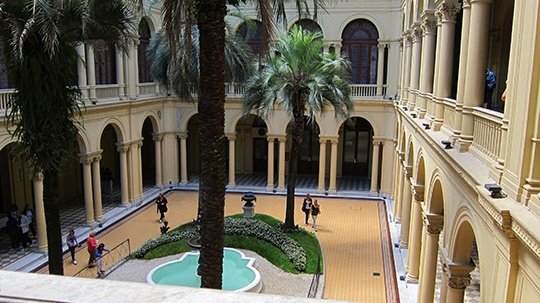
The second floor was a nice vantage point for the courtyard.
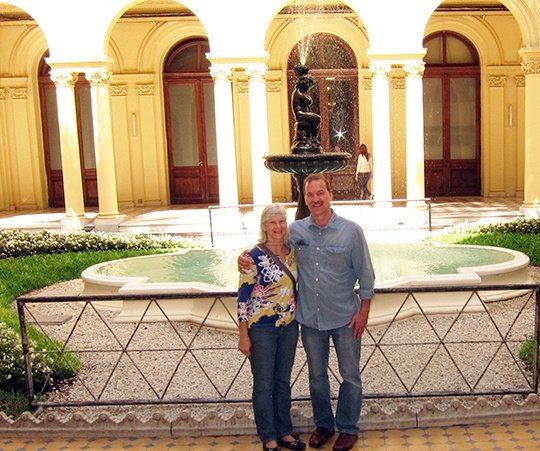
Wait, another photo op. Here is one of Betsy and I taken by our guide who spoke Spanish, Portugese and English.
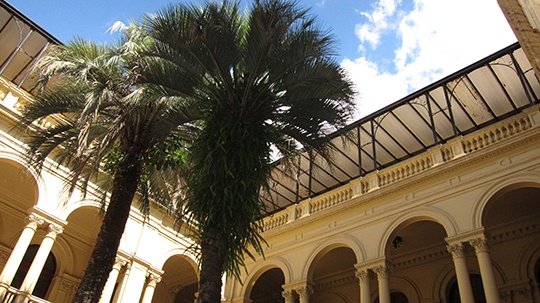
Okay, my turn. Here is an arty shot looking up.
One more view from the balcony zooming in a bit.
As the tour ended, we were escorted out the back door with these nice views of the city.
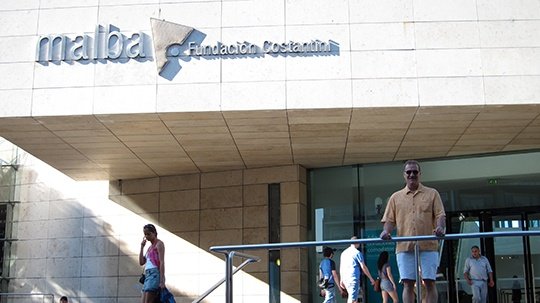
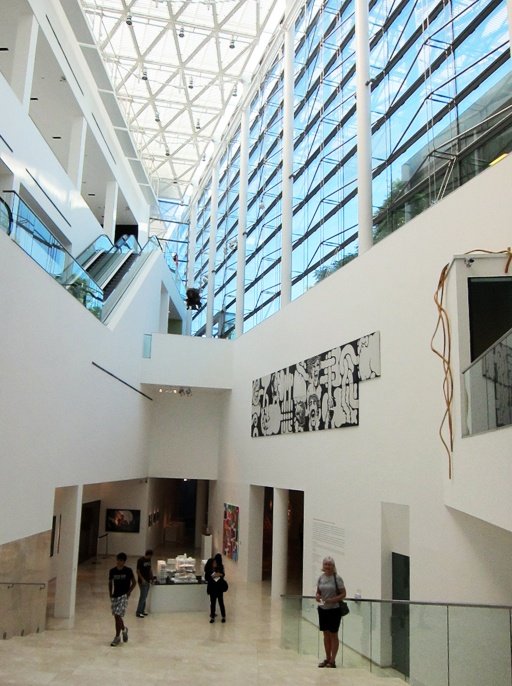
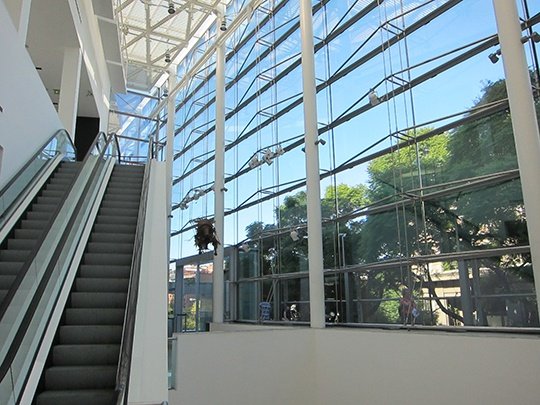
“Its main objectives are to educate the public and arouse their interest in Latin American artists, contributing to the knowledge of Latin American cultural productions promoting the recognition of cultural and artistic diversity of this region, and share responsibility for this effort with the national community and internationally to promote artistic exchange between national, regional and international support innovative programs centered in the visual arts and American culture.”
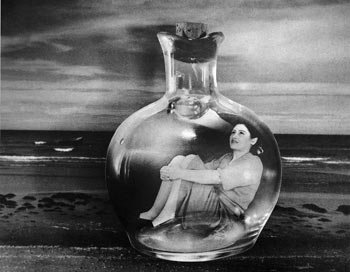
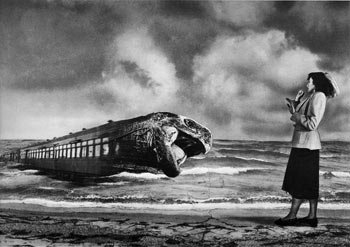
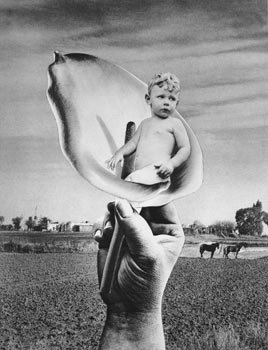
The work of Grete Stern was the featured exhibit. Here are three of her photos taken from the MALBA Web site and you can see more here.
Bottle of the sea
Grete Stern Bottle of the sea (Dream No. 5) , 1950
Black and white photo collage on paper
Eduardo F. Collection Costantini, Buenos Aires
On the platform
Grete Stern On the platform (Dream No. 2) , 1949
Black and white photo collage on paper
19 x 28 cm
Eduardo F. Collection Costantini, Buenos Aires
Flower Child
Grete Stern Flower Child (Dream No. 11) , 1948
Black and white photo collage on paper
29.5 x 23.5 cm
Eduardo F. Collection Costantini, Buenos Aires
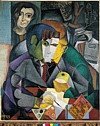
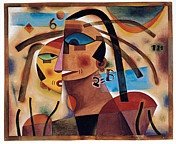
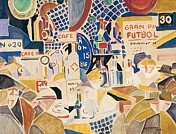
We saw works from Freida Kahlo, Nicola Costantino, Liliana Maresca, Magdalena Jitrik, and Graciela Hasper among others including these…
Diego Rivera. Portrait of Ramón Gómez de la Serna or Portrait of Ramón Gómez de la Serna, 1915
Alejandro Xul Solar. Pareja, 1923
Rafael Barradas. kiosk ducts (duct’s kiosk), 1918
It was a great start to learning more about Latin American artists.
We decided to walk home about a mile. We passed several parks and plazas along Avenida del Libertador, including the Japanese Gardens which we will visit soon.