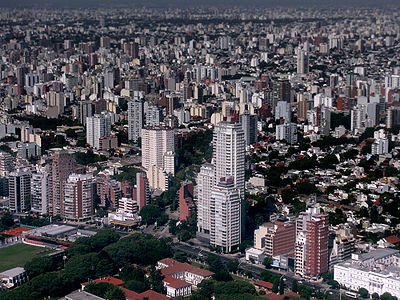
On Wednesday June 15, 2011, we left Buenos Aires on one of the first flights to the United States out of the capital after the eruption of the Puyehue volcano in southern Chile spewed its ashes across Argentina.
The winds played capricious games with itineraries across the continent. Our original flight was for Monday the 13th. Ever the optimists, we took the $40, one-hour cab ride to the airport for our scheduled flight. We found ourselves back in our apartment pretty quickly, 80 bucks poorer. We were told Friday was the earliest available flight to the U.S.
Tuesday was the scramble day, trying to find a flight to the States. We looked at every option out there. A previously scheduled memorial service three days away on Friday in Michigan was not something we were prepared to miss.
Around noon on Tuesday the best option was to take a very long bus ride (700 miles) to Santiago, Chile, which would put us on the west side of the ash cloud. That bus was leaving at 5 pm. It was decision time, make the memorial at all costs or accept our fate in Buenos Aires.
Before we needed to make that decision, at around 12:30 pm, an email came from the local United Airlines representative saying that they had a "special flight" leaving at 9:00 am the next morning if we wanted to be on it. He said the winds were shifting in a hopeful direction and it was supposed to rain overnight, so they thought they could get the flight out. Amazingly, that flight left on time, which had us landing in the U.S. Wednesday evening.
Thursday morning we headed to Flint, Michigan, some 576 miles away in our 2003 Buick. The memorial loomed on Friday at 1:00 pm. With time to spare, we shared in the memorial and spent the weekend with relatives.
Downtown Flint Above the Cobblestone Street
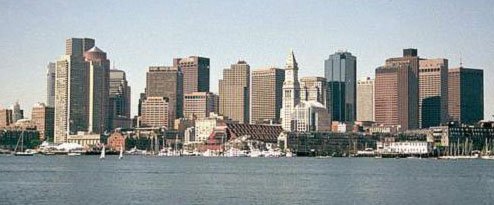
Boston Skyline
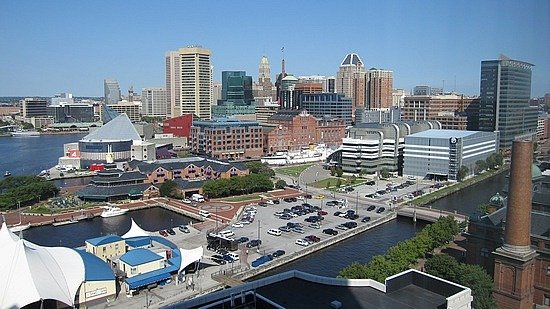
The following Tuesday we drove to Boston, Massachusetts (725 miles), to help our daughter move. A good night's rest in a motel and back on the road to Baltimore, Maryland (411 miles). So, seven days, some 5,000 flight miles and 1,700 driving miles since landing on our special flight out of Buenos Aires on Wednesday evening we began settling into our Baltimore apartment. It is Sunday the 26th, time to get busy.
We have much more to write about Buenos Aires. We spent four wonder-filled months in that great city. Our Spanish improved, we enjoyed several museums, some excellent meals, saw Placido Domingo perform live outdoors, listened to a symphony at Teatro Colon, reveled in spectacular natural beauty, and met some wonderful people. If you ever have the opportunity, seize it -- get to know Buenos Aires.
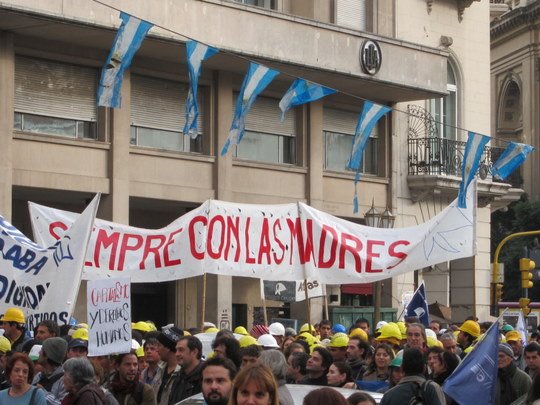
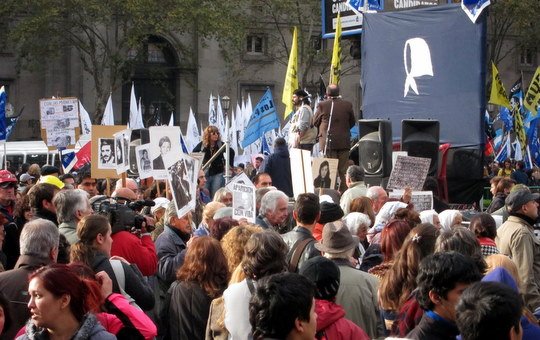
Every Thursday afternoon for more than 30 years, mothers and grandmothers of "the disappeared" (los desaparecidos) and their supporters had gathered and marched around the Plaza de Mayo in front of the Casa Rosada in Buenos Aires.
During the Dirty War of the military dictatorship in Argentina (1976 to 1983), it is estimated that between 9,000 and 30,000 people disappeared. They were predominantly trade unionists, students, journalists, Peronists, and people opposed to military rule. Imprisonment, torture, detention centers — some called them concentration camps. It is also estimated that around 500 of those who disappeared were the babies of women imprisoned during those years.
U2 has a song about the Mothers of the Plaza de Mayo, and when U2 performed in Buenos Aires in March 2011, "Mothers of the Disappeared" was performed. Sting, Rubén Blades, and Joan Baez have also immortalized in music the plight of the mothers of the disappeared.
The mothers and grandmothers wanted to know what happened to the disappeared and the babies. Rep. Maurice Hinchey (D-NY) proposed legislation in 2011 and in each of the three previous years that would have required the U.S. to release records and documents that could help the mothers find out what happened to their children. In the last vote, in May 2011, the amendment was defeated by just 20 votes.
It seemed way past time for the United States to release that information. The military dictatorship had ended in 1983. If these were our babies and Argentina had information that could help us determine what happened to them, what would we want? Wouldn't we want Argentina to release it, even if it revealed some dirty little secrets about Argentina? The world already knew that the U.S. had dirty little secrets of its own.
"Groups like the Madres are needed to serve as a reminder, not only to Argentina but also to the world, of the atrocities that can be committed by governments in the name of patriotism." — Jeff Barry, author of 4 Perfect Days in Buenos Aires
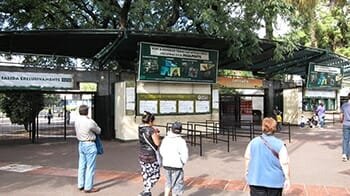
The Buenos Aires Zoo is said to be the oldest zoo in Latin America. It has a mostly recognizable and diverse cast of characters…
Located next to Plaza Italia, the zoo is visited by approximately 3 million people a year, which makes it one of the busiest in the world.
We enjoyed this zoo on a sunny weekday afternoon and felt like we had the place to ourselves. As with any zoo, there is a contradiction of sadness for the captive animals and the awe inspired by being face-to-face with the variety of life of earth.
Not to brag, but we have visited a few world-class zoos, especially during our travels around the United States in 1996-97. While living in Carlsbad we purchased yearly passes to the San Diego Zoo and Wild Animal Kingdom. We have accumulated mucho zoo time in case you notice a hint of arrogance in this post.
Every zoo has a specific character.
The Buenos Aires Zoo has a long history as well. The doors opened on October 30, 1888. The first zoo director, Eduardo Ladislao Holmberg, a doctor and naturalist, guided the zoo for the first 15 years. His premise was that the buildings housing the animals would correspond with the architecture of the origin of the species.
As the years passed, the concept of the modern zoo evolved and these smaller animal enclosures gave way to more natural habitats. Fittingly, these magnificent buildings have been designated as Historical Monuments, so replacing the outdated zoo concepts incorporated into the original buildings has met a seemingly insurmountable hurdle. What we see today is a snapshot in zoo time and a somewhat faded, although still visually stunning, architectural feat.
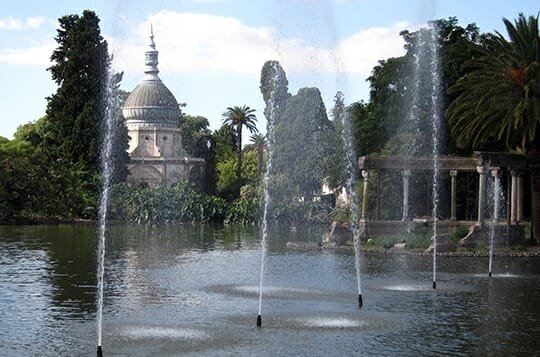
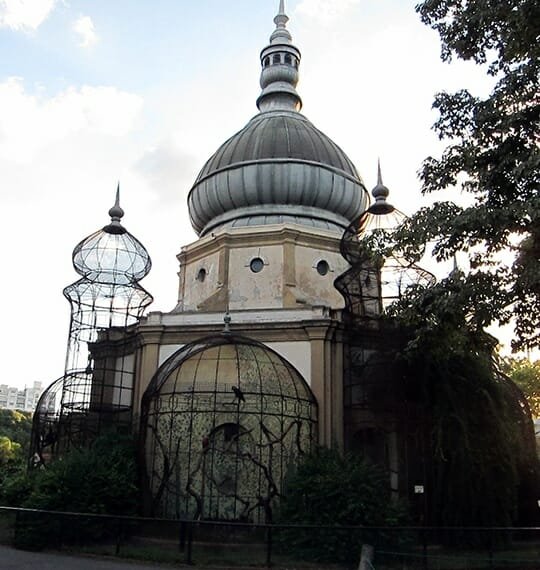
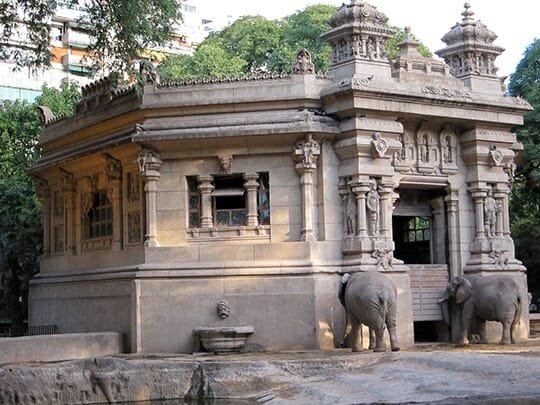
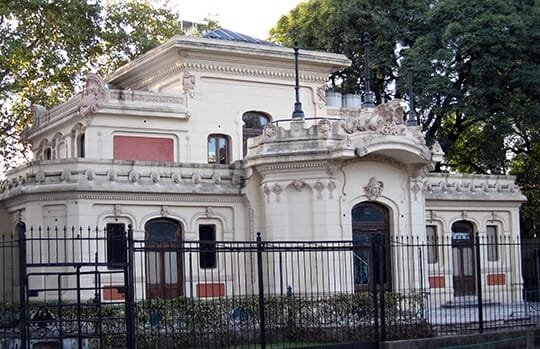
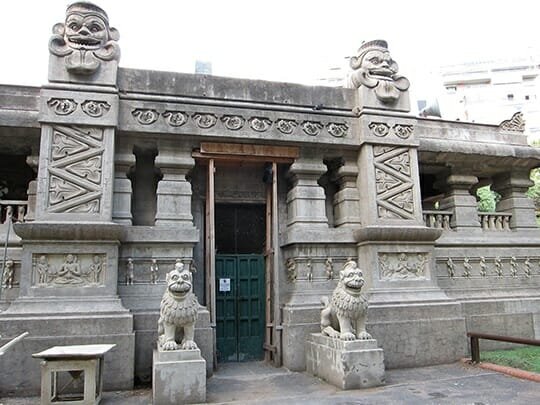
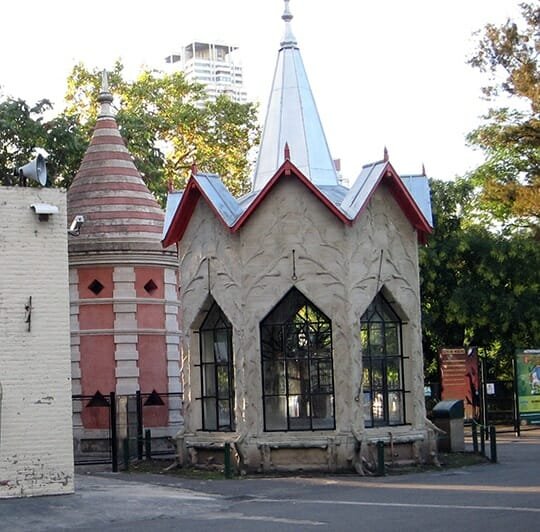
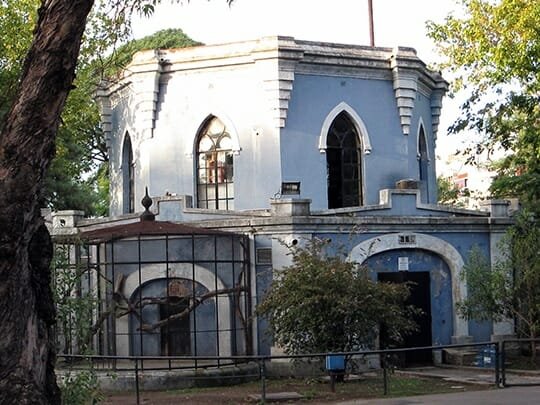
After we passed the entrance portico, which is a reproduction of the ‘Triumph Arch of Tito’ in Rome, and a couple of other distinctive buildings shown below, we realized this zoo is as much about the design as it is about the animals. The Elephant Palace is a replica of the Goddess Nimaschi Chapel in Mumbai. The Vesta Chapel is a circular building that includes 16 Corinthian columns, a copy of the original chapel located in Rome.
The Elephant palace…
One beautiful, interesting, detail-laden building after another…
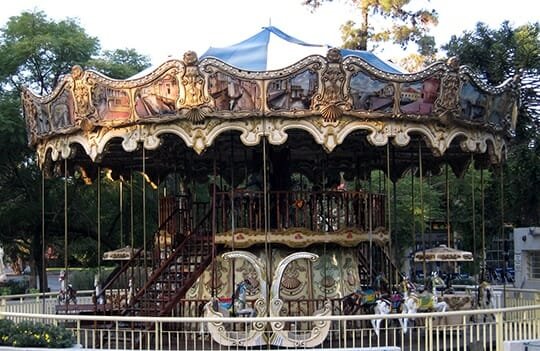
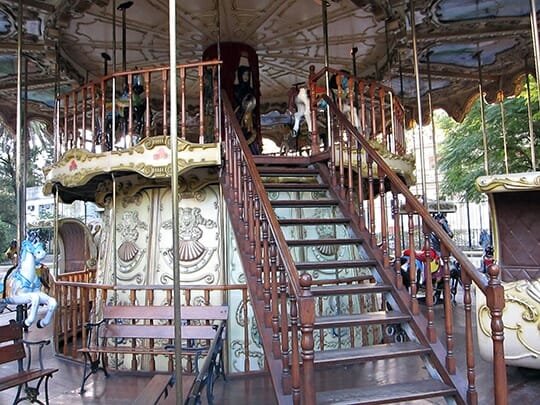
Then you come to the carousel. According to the date plate this one was built in 1898.
The woodwork and intricate designs are gorgeous.
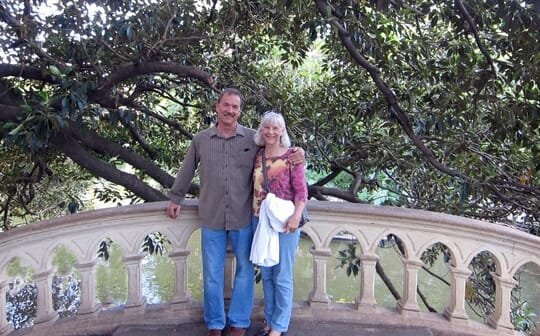
There is always an element of romance at the zoo. Couples strolling arm in arm…
And, let’s not forget the animals, birds, reptiles and insects.
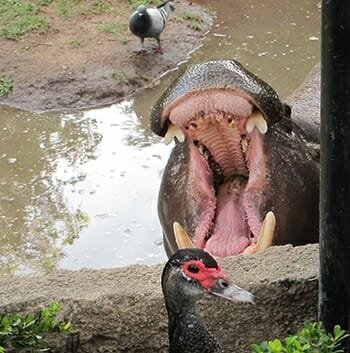
It looks like the picture to the right was done in Photoshop but it is original. The look on the duck’s face as it stands literally inches away from the hippo’s massive mouth still makes me laugh.
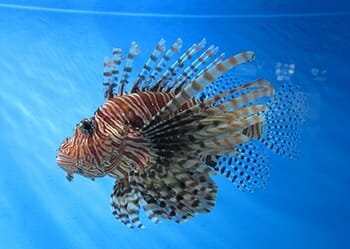
The Buenos Aires Zoo includes a nice aquarium. I included this photo of the spiny fish just because it turned out so well.
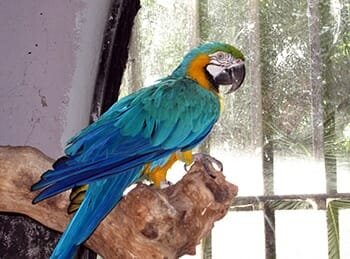
There was a great selection of South American birds.
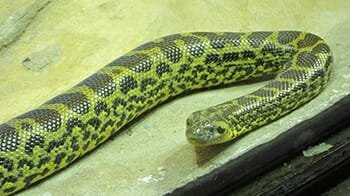
As you can imagine, with the Amazon in South America, there is a huge variety of fish, insects and reptiles. I passed up the boas and caught this guy in mid-stride.
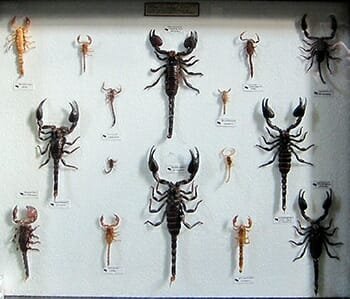
The insects displayed were other-worldly. The scorpion varieties were enough to make you want to check your shoes twice .
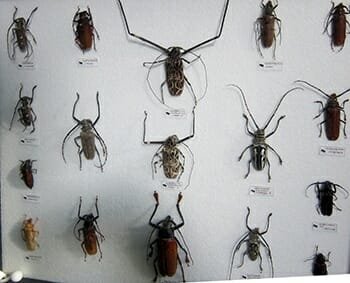
Then these beetle-like fellas give a whole new meaning to creepy-crawly.
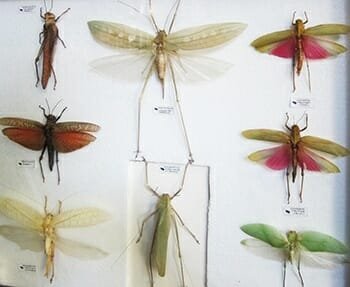
Finishing with the glamorous, these fairy-like insects seemed right out of a Spielberg movie.
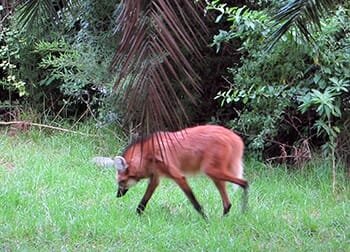
While I could show you nice photos of a rare albino tiger, a pair of cheetas, a cute monkey family, a zebra I could almost reach out and touch, the classic giraffe, a flying monkey (literally), a brilliantly colored Toucan or the majestic bear, I prefer in the space alloted to share this unuusal creature. Not the best picture by far, but the more I discovered about it the more certain I was that you would want me to share.
(Wikipedia) The Maned Wolf (Chrysocyon brachyurus) is the largest canid of South America. Although the maned wolf displays many fox-like characteristics, it is not closely related to foxes … One conclusion of this study is that the maned wolf is the only survivor of the late Pleistocene extinction of the large South American canids.
Here are just a couple of the interesting facts about the maned wolf from here :
Amongst the locals, maned wolf is believed to have supernatural powers. Its right eye is supposed to bring luck in gambling.
Another superstition has it that if children wear a necklace having a maned wolf tooth, they will not have dental problems.
Maned Wolf is an astonishing animal, native to South America, with physical features of a hyena, the head and coat color of a wolf and the large ears of an African hunting dog.
I am not done yet…
The Buenos Aires Zoo has created some remarkable advertisements that caught my eye. To see more do a search on You Tube.
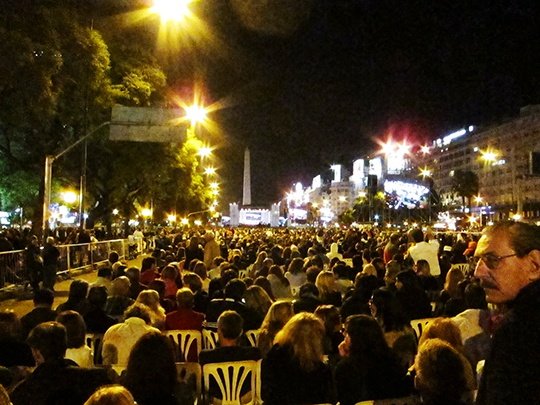
Last night we joined the estimated 125,000 people gathered at the Obelisk located at the interesection of avenues Corrientes and 9 de Julio for a free outdoor concert by opera legend José Plácido Domingo Embil. He was joined by soprano Virginia Tola and accompanied by the choir and orchestra of the Teatro Colón under the direction of Eugene Kohn. The repertoire included arias, operettas and even tangos and lasted over three hours. Wow.
Part of the enormous crowd – yes, that is the stage way up there!
Here is a short video to provide a feel for the moment…
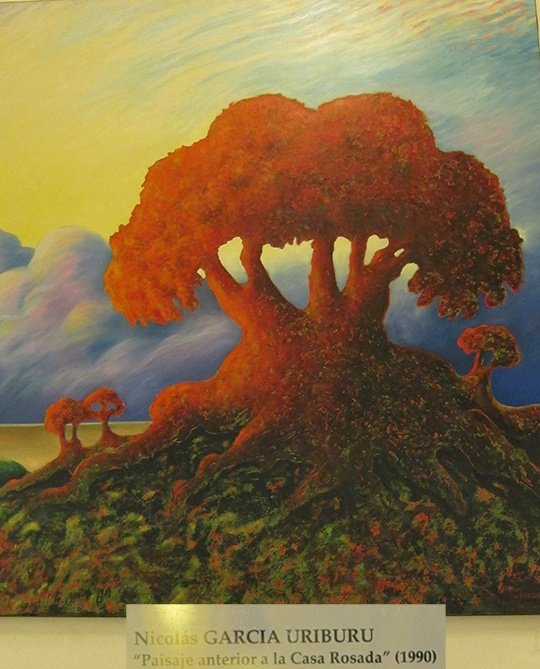
"Paisaje anterior a la Casa Rosada" by Nicolás García Uriburu, located in Casa Rosada
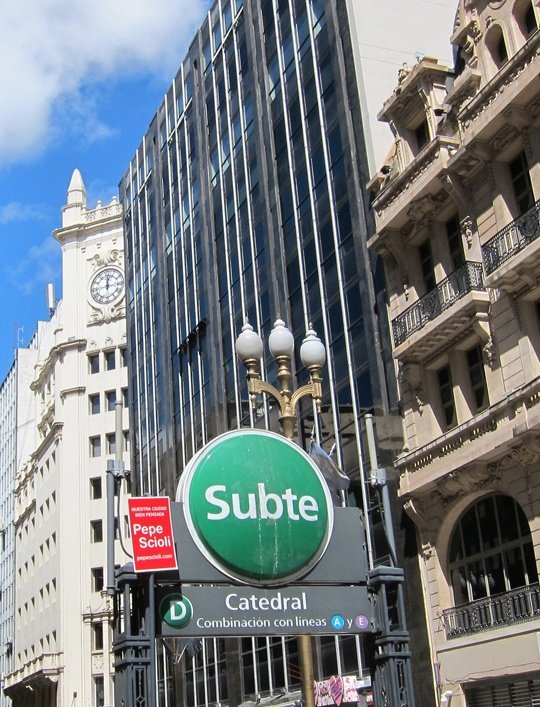
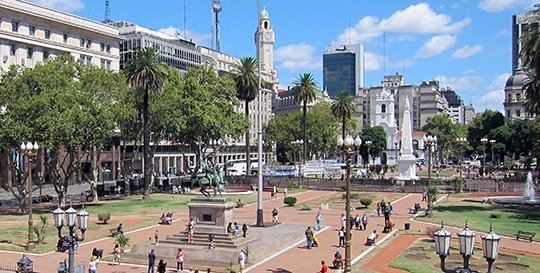
Sunday morning we were out of the apartment around 11 headed for the Green Subte Line on Santa Fe about eight blocks away for a long postponed visit to Casa Rosada, the official seat of the executive branch of the government of Argentina located in Plaza de Mayo.
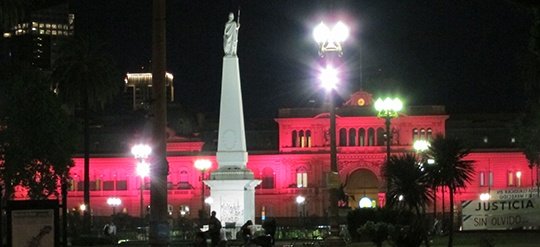
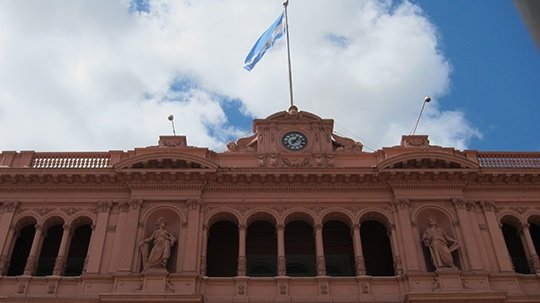
Even though we spent the first two weeks in BA living in an apartment a few blocks away and had passed through Plaza de Mayo (pronounced Masho) several times, we had not toured the Presidential Palace. In a recent Huffington Post article Casa Rosada was among the top 13 palaces of the world. One night passing through the plaza we caught this stunning image which explains why it is called the Pink House.
Casa Rosado
The rain on Saturday had finally broken the heat wave that had gripped Buenos Aires for several days that had even porteños (local word for BA residents) complaining, given that summer is coming to a close here in the southern hemisphere.
We actually wore jeans and long sleeve shirts as the sun shone and temps hovered around 70 degrees. The subway line was pleasantly unpopulated as we journeyed several stops to the southern portion of the city at the end of the Green Line.
Catedral
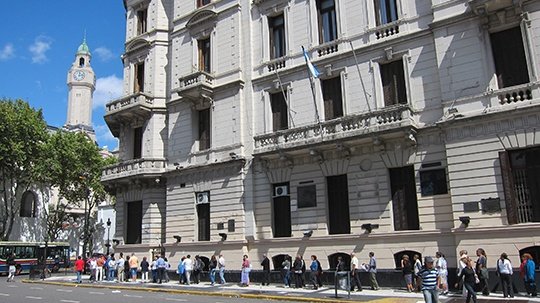
Emerging from the subway near Plaza de Mayo we were struck again by the architectural beauty of this part of the city. The next thing we noticed was a long line around the Buenos Aires House of Culture.
Curiously long line
Obviously we had not been reading the same sources for activities in the city because as we made our way to the front of this tremendous line we discovered local television media interviewing people.
Come to find out Placido Domingo (now 70) is giving a free concert here March 23 and the line was for tickets to get one of the 22,000 chairs that will be provided for this free outdoor concert. The rest of us will need to bring chairs or stand. This is a good article describing the event. Look for us there.
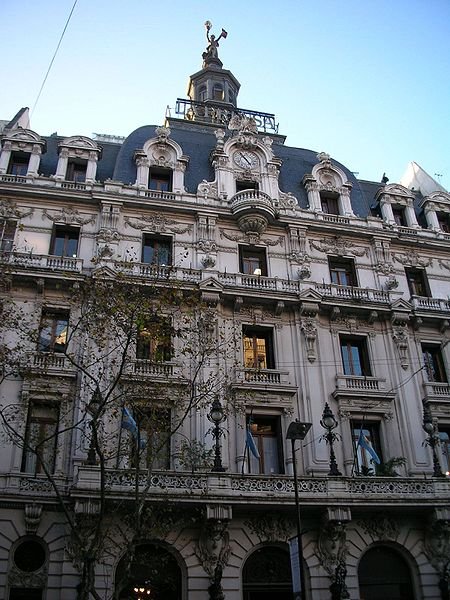
Here is a nice photo of the Buenos Aires House of Culture...
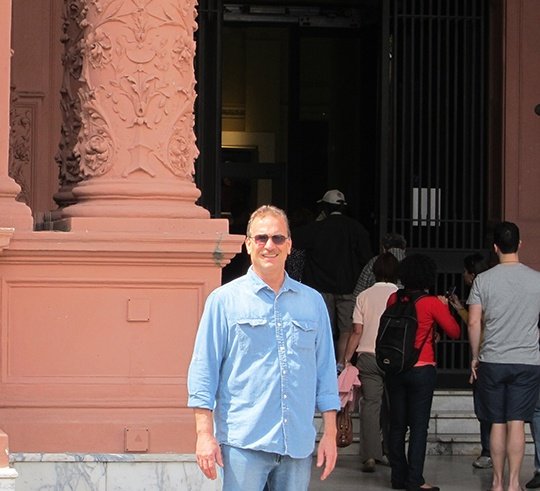
Mark Photo Op at the Entrance
We made our way across the Plaza and into the Palace. The entry was stunning with a series of paintings and busts depicting national heroes. The free tour began as we made our way to the 2nd floor. One interesting fact is that this building houses the current executive offices for the government of Argentina (it is a working palace) so these tours are only offered on weekends. It is closed to the public M-F.
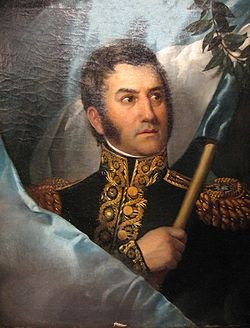
José de San Martín (1778-1850)
I won't go into history here but suffice it to say, José de San Martín (c. 1778 – 17 August 1850) is a national hero given credit for liberating Argentina from Spain.
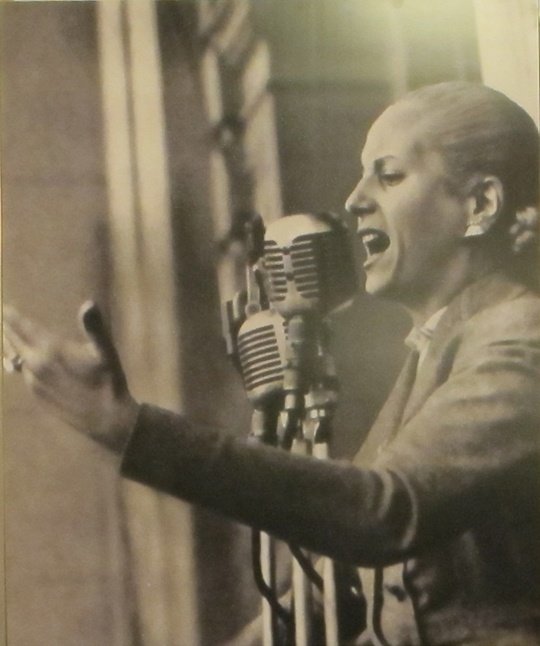
Evita Perón images were widely displayed as well. While I like to read about politics in all of the Americas, including South America, I am no expert and can only give my impressions. It seems that Evita has a similar national reverence as FDR has in the U.S. and for similar reasons. She was a champion of the poor and those in need. Perhaps Obama might take note of what it takes to become a leader who earns a place in history. This photo displayed inside was especially compelling.
Evita Photo from Palace
On October 15, 1945, at 11 pm, Evita stepped on to the balcony before an estimated 250,000-350,000 people gathered in the plaza below to demand the release from prison of her soon-to-be husband, Juan Perón. The scene must have been electrifying. Two days later he was released, and on October 18, they were married.
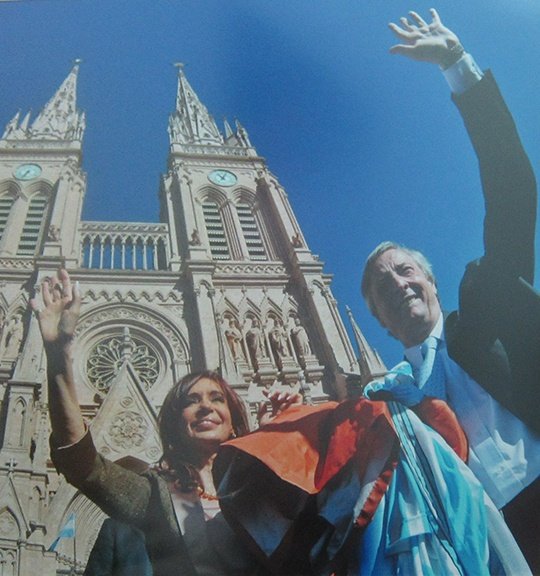
This husband and wife team (below) have dominated Argentine politics for the last decade. Néstor Carlos Kirchner served from 2003-2007, died from a heart attack and then was succeeded by his wife, Cristina Kirchner in the 2007 election.
From what I read, Cristina Kirchner is popular and does well in polling for the next presidential election. She has been referred to as the "Hillary Clinton" of South America. She heads the Peronist Party here that leans to the left politically.
Okay, enough politics. From this point I will let the pictures speak for themselves.
The Casa Rosada is obviously striking.
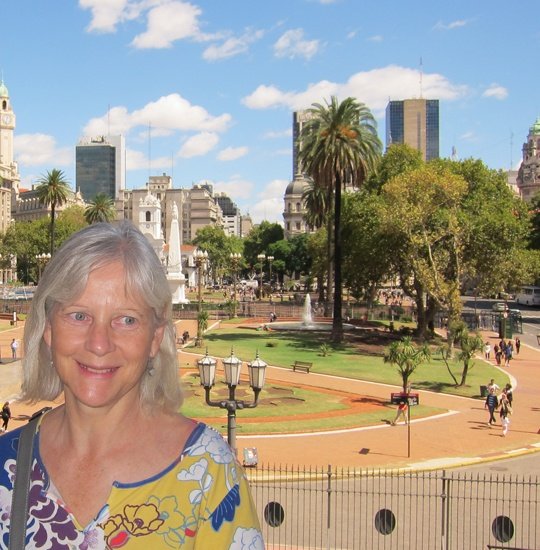
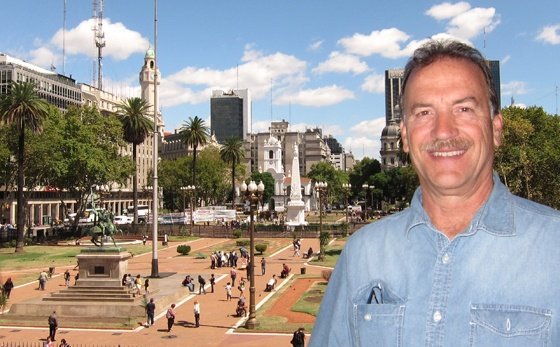
Here is the view looking out, which fills the mind with images of what the crowded scene must have looked like as Evita spoke from the balcony.
View from the Balcony
Okay, another photo op...
Beautiful
And one of me from the balcony...
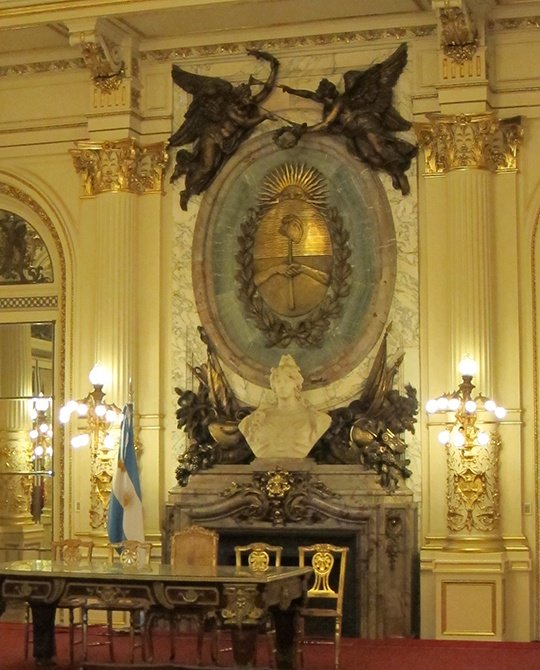
We continued the tour with stops in the executive offices.
National Seal
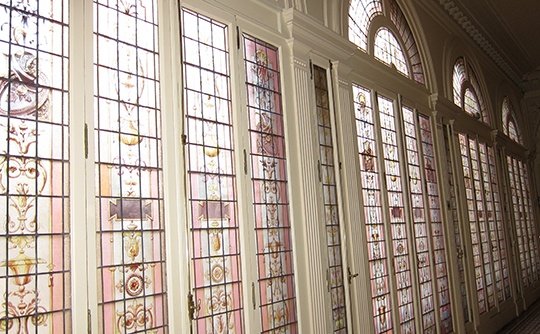
This stained glass wall caught our attention...
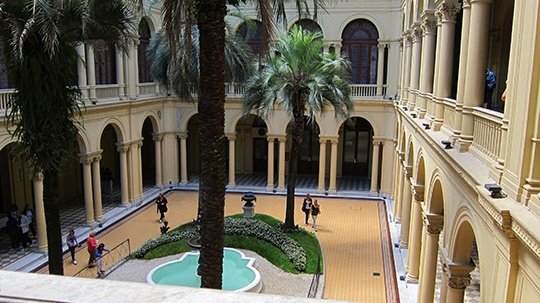
The second floor was a nice vantage point for the courtyard.
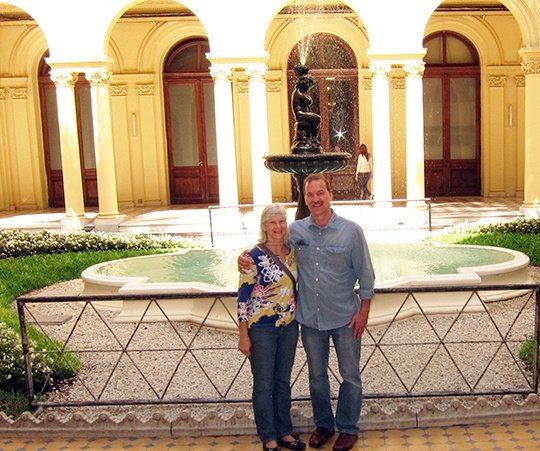
Wait, another photo op. Here is one of Betsy and I taken by our guide who spoke Spanish, Portugese and English.
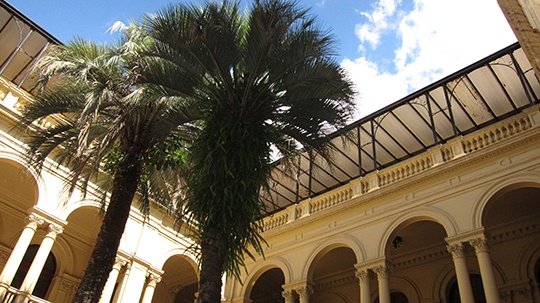
Okay, my turn. Here is an arty shot looking up.
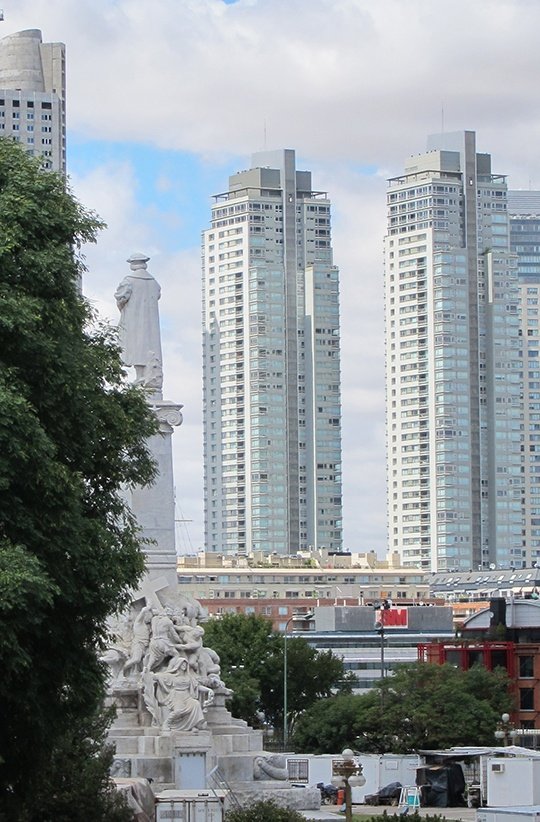
As the tour ended, we were escorted out the back door with these nice views of the city.