by Mark | Mar 23, 2012 | Deep In It
We traveled to San Miguel de Allende, Mexico, on March 6. As our month in Key West had neared its end, we debated locations in Ecuador (must go there someday), Chile, Oaxaca, a couple of cities in the U.S. and then finalized on San Miguel after finding a beautiful home to rent in el Centro.
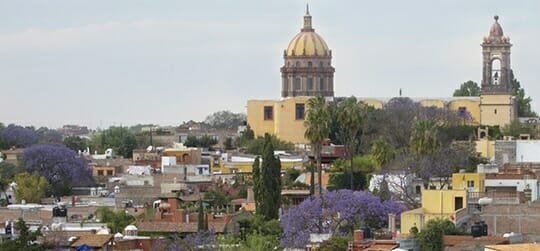
The Jacaranda trees are in bloom, splashing color around the city ©2012
In the last two weeks we have found our way around town, had several great meals, met scores of people, many with great stories and all with a love for San Miguel, found our favorite woman (Dominga) to purchase fruits and vegetables from at the nearby market, enjoyed two plays, watched a movie at the local theater, started yoga three times a week with Alejandro (great teacher) and Spanish lessons two or three times a week with Lilia. All that, new explorations and our work find us trying to squeeze our day for more time. While we get a range of U.S. channels, we go days at a time without turning on the television. We have become more skilled at settling into a new location quickly, and here it is proving more valuable because there is so much to do.
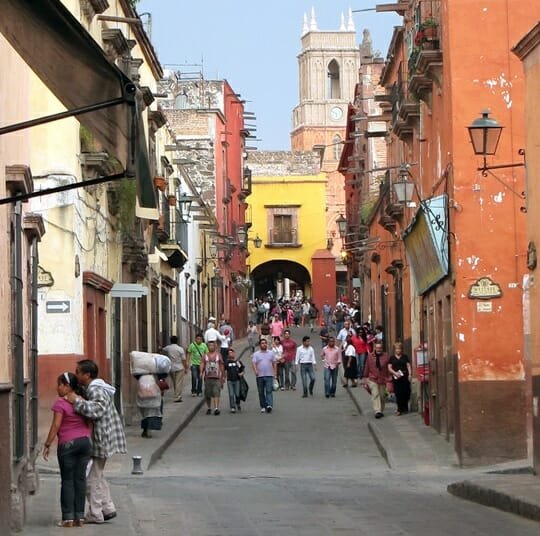
Colorful and busy streets ©2012
This past Wednesday night we were scheduled to meet a local expat and his girlfriend for Happy Hour at Harry's, a local bar/restaurant. We arrived around six, settling in at the crowded bar for 2-for-1 martini night. As has become a reoccurring event, we introduced ourselves to an expat on our left at the bar who is a professional photographer; it would be an enjoyable conversation. He described his efforts to keep his photographer's edge in a world where millions own high-quality digital cameras, know Photoshop and take thousands of photos, one of which will inevitably be a gem. His niche is HDR photography. Have a look at his beautiful work.
Two Four martinis later (always want to learn more about photography), our friends we were loosely scheduled to meet became a no-show, and it was time for dinner. Note to self: Rule #1, warm climate = tall drinks. Rule #2, if you break the first rule = two martini limit.
It was a short but measured walk to Ole' Ole', a restaurant that has become for us a sure thing for a great meal.
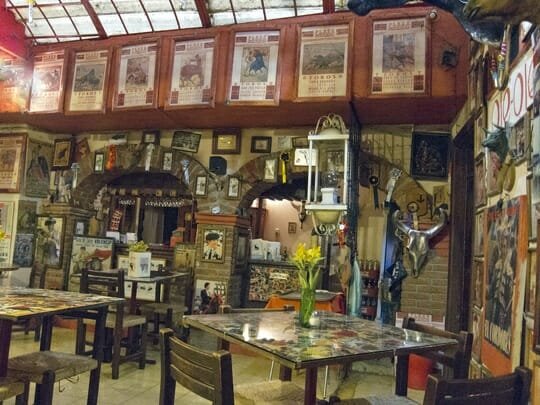
We sat down next to four Mexican gentlemen and ordered. I noticed a bottle of Patrón tequila (empty) and a new bottle arriving. I was not used to the freedom of ordering a bottle of liquor for the table, which on reflection is very civilized. It seems we had crashed a birthday party. Introductions were made and a shot of tequila shared with a hearty Feliz Cumpleaños! We ate, we drank, we talked, we laughed -- with some of the latter being directed at our Spanish. We drank some more. During the conversation we learned that one of the men was a bullfighter of some stature, another, the owner of the restaurant, and the other two an engineer and an architect.
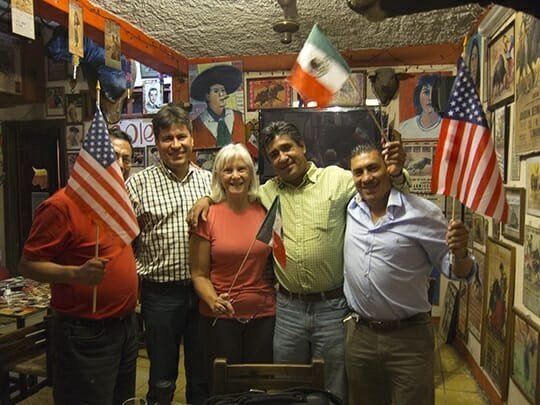
Later in the evening: Alejandro, Victor, Betsy, Mauro and José ©2012
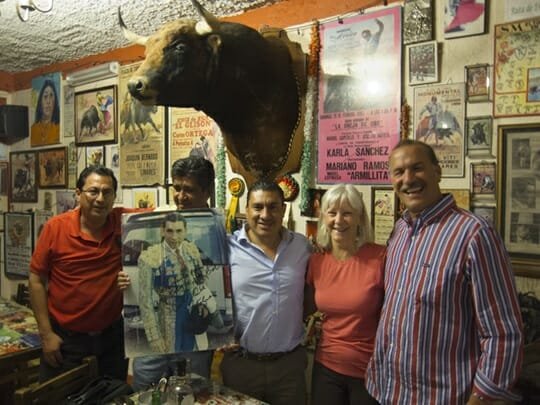
Our new friend holds his bullfighter photo from the wall in the restaurant ©2012
Meanwhile, I am learning that an empty glass is an invitation because as my shot glass was being filled, I heard, "otra mi amigo" (another my friend). There is no pause between the two events and the first happens before the latter and that is not a question. This went on for some time as the bottle emptied. Luckily we live only a couple of blocks from the restaurant.
The next day started slowly. By four we were ready for our Spanish lesson. Betsy had volunteered to teach English to the children in our teacher's pilot program, and I spent that time before our lesson talking with the teacher.
Leaving class hungry, we searched for the Venus, a Thai restaurant we had heard so much about, found it and walked in around seven as a guitar player was setting up.
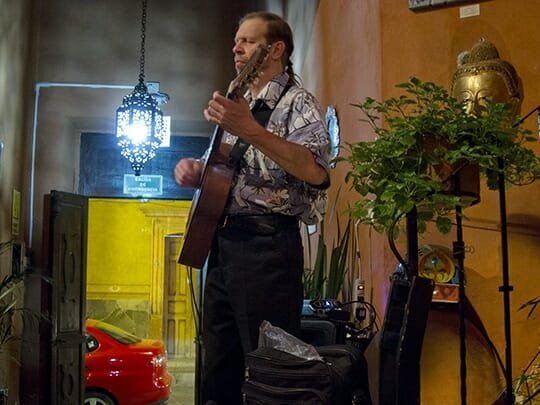
Andrei Krylov ©2012
We could not have planned it better. His name is Andrei Krylov from St. Petersburg, Russia. In the 1980s and 90s he worked as a guitarist for the Russian State Concert Company Lenconcert and the Old Petersburg music theater. Since then he has traveled the world playing guitar and has created 50+ albums. He plays Classical, Russian romance, Gypsy, Flamenco, Folk, and Jazz. We watched and listened, sometimes with chills, as this masterful musician willed every ounce of music from his guitar. From Bach to 400-year-old Russian gypsy songs, to jazz, he guided us through his work. We were lucky; on Friday night he gave a concert at the Biblioteca, which we attended and were again captivated by his music.
It's not unusual for this caliber of artists and musicians to appear in San Miguel. The post-Second World War history of San Miguel laid the foundation for this dynamic artistic and cultural city.
These 48 hours are outstanding experiences in our remarkable first two weeks in San Miguel. Many people have told us that their hearts belong to Mexico, and we are beginning to understand why.
by Mark | Mar 22, 2012 | Pulled Back
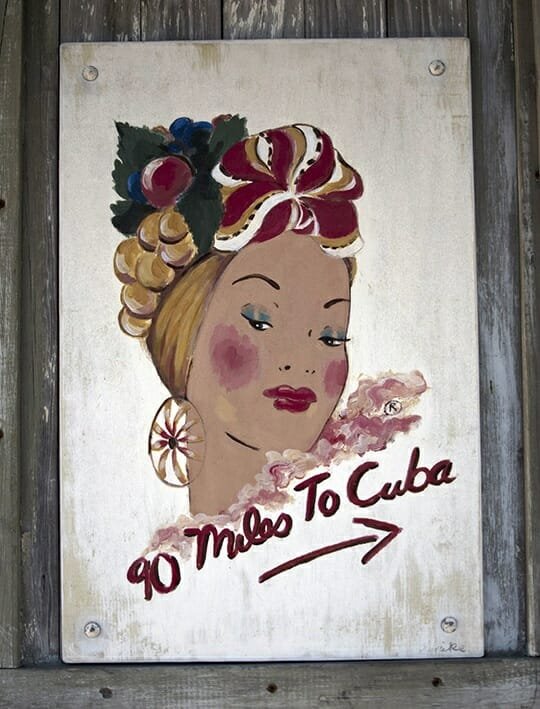
After six weeks in Sarasota, Florida, enjoying the Holidays with family and friends, the next road led us 376 miles to Key West, Florida. Our stay became a rich and memorable experience filled with exciting and interesting people in a picturesque and historical setting.
Cayo Hueso is the original Spanish term for Key West. Translated, it means Bone Island, which makes sense because it was a Native American burial ground. Story has it that because in Spanish, Hueso (weso) sounded to English speakers like “west,” Cayo, like key, that eventually it became Key West. Es posible. Characters, legends, and myths abound here with pirates, bootleggers, adventurers, and salvagers central to many stories told in Key West.
Writers and artists migrate to Key West for inspiration, including the most famous, Ernest Hemingway, who wrote many of his most famous novels here including A Farewell to Arms. Other recognizable names include Winslow Homer, Tennessee Williams, and Mario Sanchez.
Hemingway stories seem endless and always engaging, his home is the No. 1 tourist destination in Key West. During our tour, the guide pointed to a much-discussed picture showing a young Ernest with Joseph Kennedy in Havana, Cuba, during Prohibition, which only adds fuel to Ernest’s boozing reputation and the rumors that Kennedy was bootlegging from Cuba. A favorite story is that young Ernest bought that particular home among other reasons because of its proximity to the lighthouse. It was a sales point for Ernest that after a night of drinking at Sloppy Joe’s Bar, the beacon would provide a landmark to guide his way home.
It doesn’t stop; as legend has it, the Hogfish Bar and Grill where we ate one night, is purported to be the launching point for the disastrous Bay of Pigs invasion.
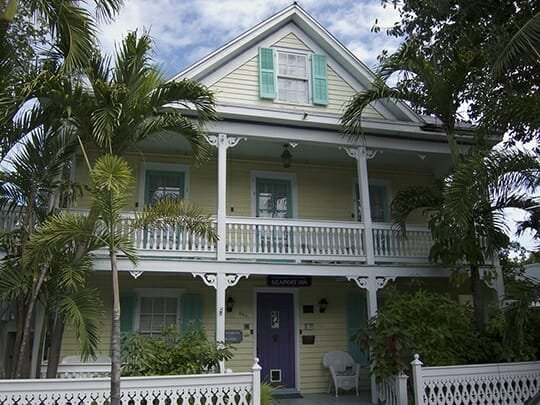
Typical Historical District Architecture
Key West’s unique island milieu of immigrants has the much-deserved reputation for acceptance of people from all persuasions partially explained by its history. As the 19th century ended, Key West had a population of approximately 19,000 and was the richest city in Florida. Half the residents were said to be of Cuban origin. Add the fact that many of the residents of Key West were immigrants from the Bahamas, known as Conchs (pronounced ‘conks’) and pretty soon you understand why Key West has a history of tolerance and acceptance.
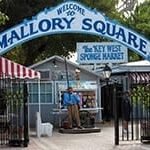
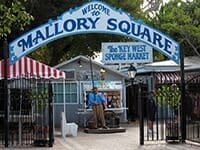
Mallory Square, a mecca for shopping and sunset worshipers
We came to Key West for a month-long stay from a Craigslist advertisement that found us residing in a beautifully restored home in the historical district a few short blocks to downtown, Mallory Square, the State Park Beach, and just about anything we needed or wanted. While we drove to Key West, we parked the car and moved it only twice in a month.
The amazing woman we rented from is a longtime resident embedded in the Key West arts community. A ballet dancer for 35 years, she now teaches Pilates and ballet in her home. Her energy level is surreal, going from early morning until late at night. A few years ago she decided to produce a Key West version of the Nutcracker Ballet. Creating it is an amazing story chronicled in an award-winning documentary called, “Underwater, the Making of the Key West Nutcracker.” If you have a chance, be sure to see it. She invested somewhere between .5 and 1.5 million dollars to produce the ballet. Meanwhile, four hurricanes did everything possible to make the production fail. It is a story of triumph over despair and adversity.
To give an idea of production costs, Joyce brings in professional ballet dancers from New York for her Nutcracker to dance along with local talent and children. Added to those costs, the costumes are beautiful and the set is amazing. She had a vision for her ballet and executed it with little consideration for cost.
Our rented home was a busy place, crowns and tutus were being designed and created while we were there. Pilates classes were mostly all day every day. Joyce owns two beautiful homes side-by-side with a supporting cast of a caretaker, housekeeper, and seamstress all with interesting stories of their own. The house activity started around 7 a.m. The caretaker is busy all day with two homes to oversee. We shared our house with Carlos, his room across from ours. He is also an artist, so many evenings he would peddle to Mallory Park to sell his jewelry creations. By evening the houses quieted but many nights we would find Joyce overseeing costume-making and managing preparations for the ballet nine months away.
We had many wonderful conversations with Joyce about her life, studying ballet, raising children, and her passion for dance and now Pilates. We enjoyed those over several delicious meals and cocktails. She leads a rich life. Also staying with Joyce in an apartment in the main house was a highly acclaimed burlesque star Tatah Dujour. It would be a challenge to find a more storied place to stay.
One last story, we arrived home around 11 pm one evening from a movie to find Joyce and a visiting ballet dancer/teacher in the driveway getting ready to ride bicycles to the Green Parrot, a locals’ bar. Joyce is in her early 70’s (you would never know it), she had on a pair of pink satin hot pants, fish net stockings, mid-height boots, and a brightly layered top. I know of no other woman who could have pulled that off and looked so hot. Not to mention the time of night, and the fact she was riding a bicycle about a mile to the bar.
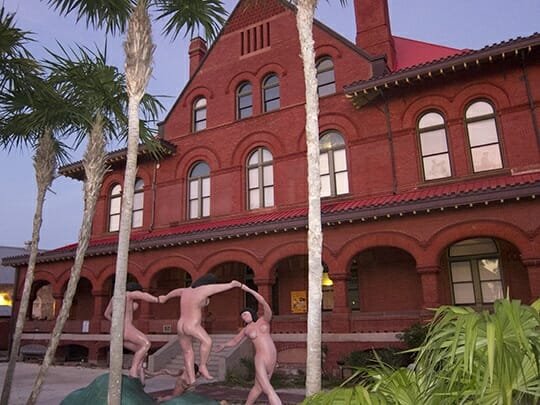
Museum of Art & History
I don’t know what attracts so many interesting people to Key West but we were lucky to have our experience. Our time included a busy work schedule, but in our free time we walked, rode bicycles and explored much of the city. A car is almost useless in the historical district, where we stayed. Bicycles, golf cart-like vehicles, and walking are the easiest ways to get around. One of the prettiest beaches in the country is at Fort Zachary Taylor Historic State Park, an easy 10-minute bike ride. We spent many evenings walking to Mallory Square with its eclectic mix of artists, craftpeople, and street performers, along with huge crowds of people to watch the sunset.
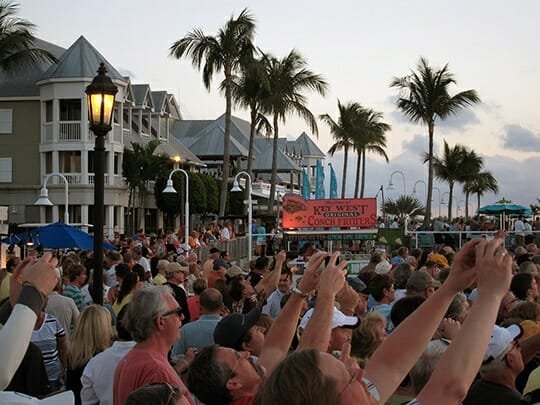
The Crowd at Mallory Square Capturing a Sunset
For a relatively small community it is chock-full of cultural activities including the Audubon House and Tropical Gardens, The Studios of Key West, The Florida Keys Council of the Arts, Tennessee Williams Theatre, Key West Literary Seminar and much more.
It is a fact, even after our recent stay in New Orleans, this city parties second to none. The number of bars in this relatively small city is said to be well over a hundred. Live music streams from bars and clubs nightly, Duval Street is packed with people, and strolling with open containers is the norm. Perhaps this is why we saw this on a local T-shirt, “This is a drinking town with a fishing problem.”
If you go, one suggestion is to take the Key West Express about a 3.5 hour boat ride from Ft. Myers that takes you within walking distance of downtown. Once in Key West a car is more hassle than it is worth. Walking, biking, cycling, and if necesaary a cab, will take you most places. And the three-hour drive from Miami is no picnic.
Located at the Corner of South Street and Whitehead
Interesting facts…
Conch is the term for longtime residents of Key West. Some use “Saltwater Conch” to refer to a person born in Key West, while “Freshwater Conch” refers to a resident who has lived in Key West for more than seven years.
Wrecking, salvaging from ships that crashed into the third largest reef in the world, made Key West the largest and richest city in Florida in the mid-19th century and the wealthiest town per capita in the U.S.
Jimmy Buffet still maintains a recording studio here. It is on the waterfront in an oddly plain building with no identification.
During the Civil War, Florida seceded but Key West remained in U.S. Union hands because of the naval base.
Harry Truman visited for 175 days over 11 visits during his presidency.
In 1982 the city of Key West briefly declared its “independence” as the Conch Republic in a protest over a United States Border Patrol blockade which wreaked havoc on Key travel. The blockade was in response to the Mariel Boatlift.
Highway 1 ends at Key West and travels 2,377 miles to Fort Kent, Maine.
Photos from around the island…
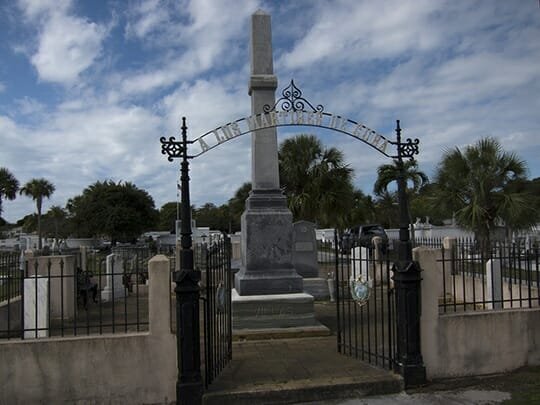
Key West above-ground cemetery
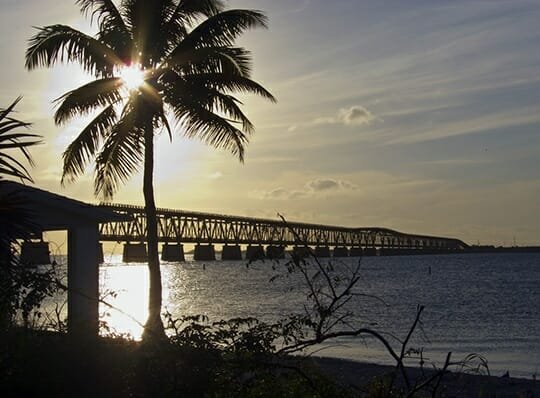
A Sunset at Bahia Honda State Park
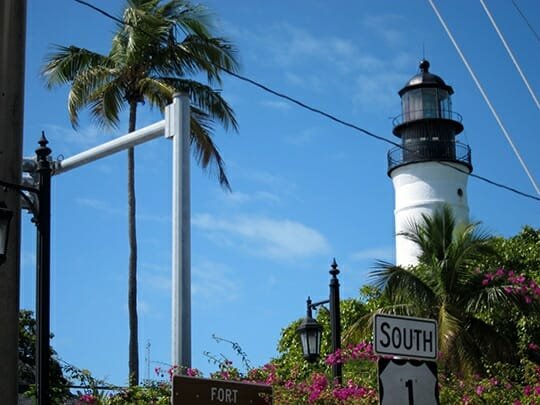
Lighthouse near Hemingway’s Home
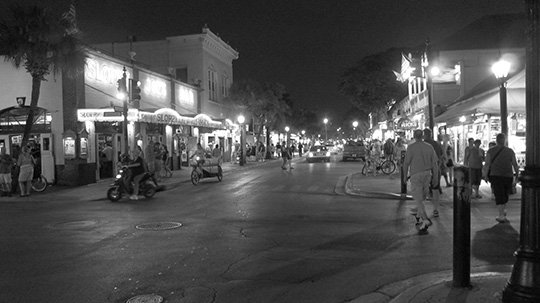
Key West at Night
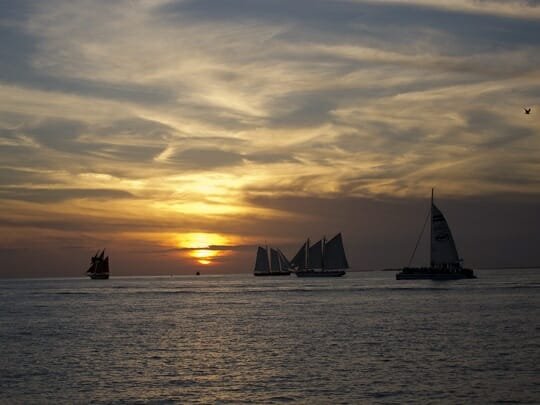
Too Many Gorgeous Sunsets to Choose One
by Mark | Dec 15, 2011 | Pulled Back
In September 2010, we were in Morganton, North Carolina, house sitting for a wonderful two-months. Unknown to us, the weeks to come would be simultaneously difficult, heart-wrenching and rewarding.
We had been in Flint with Mom for a few weeks in July, toward the end of which she was experiencing minor but nagging digestive related issues. We left Flint in early August shortly after her 83rd birthday for our two months in Morganton.
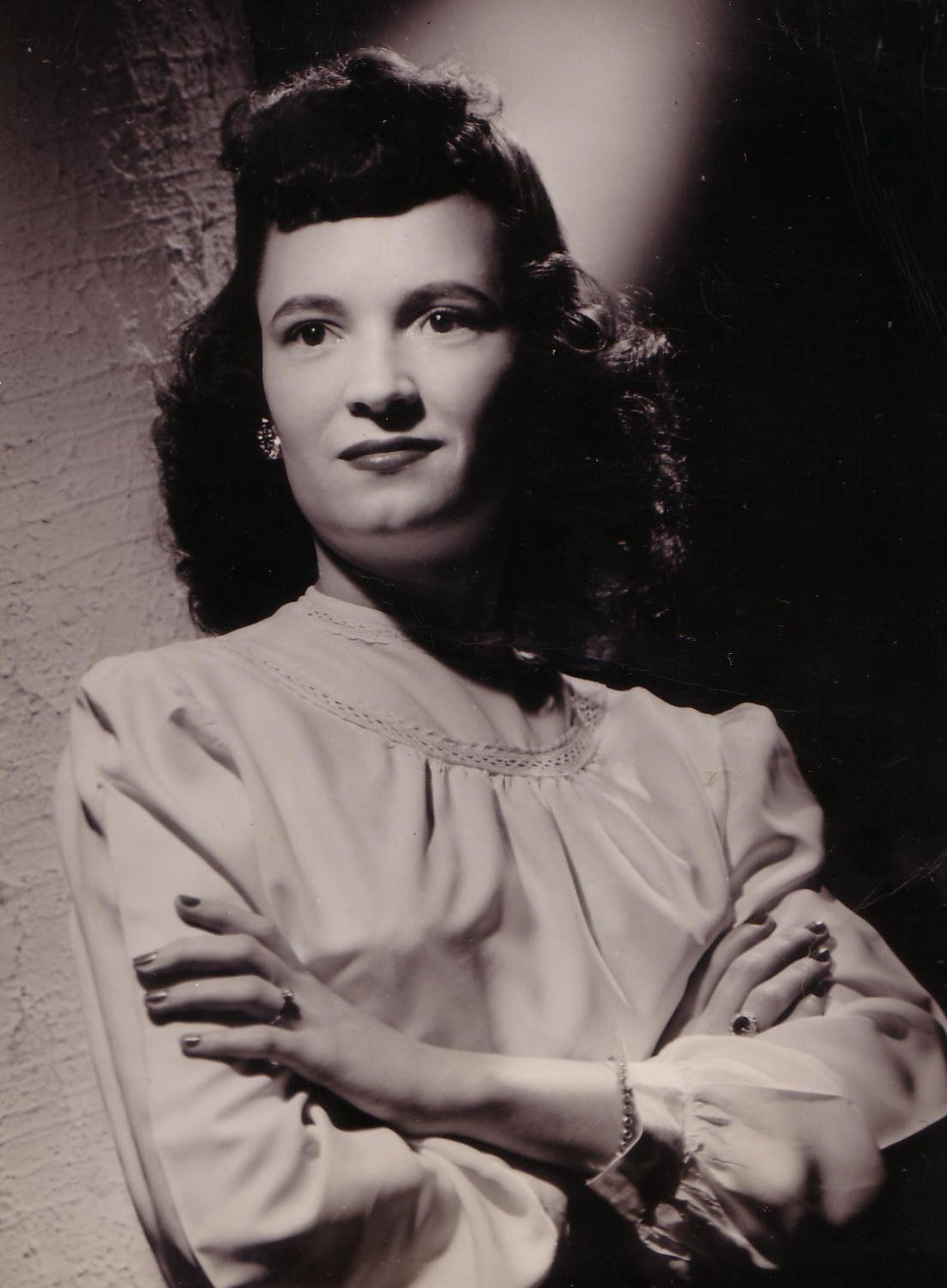
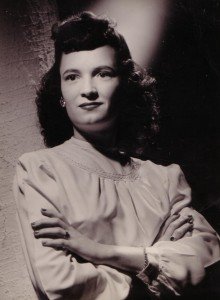
Betty Jane Blondin 1927-2010, RIP
The whirlwind started in late September when a routine call to Mom went unanswered. A call to my sister revealed that my mother had entered the hospital. She was admitted with jaundice, which led to the insertion of a stint and a biopsy taken, we were later told, from the tip of the pancreas.
In the next couple of days her condition improved. Not strong enough to live alone, she was transferred to a nursing home for rehabilitation. We arrived in Flint on October 4. The next few days were spent familiarizing ourselves with doctors, symptoms, health insurance coverage and Medicare regulations, while assessing the nursing home conditions, Mom’s condition and determining how, when, and even if we could get her home. We still didn’t have a diagnosis.
It was not easy, we were dealing with at least three specialists trying to pinpoint who was responsible for what, which offices to deal with, talking to receptionists, more tests, reports, a second biopsy, calls and more calls, returned calls, sorting and processing information, Internet research, interactions with the nursing home, all while reassuring a weakened but brave and determined Mother that we were there for her and would all do the best we could.
Looking back, the next call should not have been such a heart-stopping surprise. I was in the car when the oncologist office called, the office manager introduced herself and said, “I didn’t want to break the news to you this way…” it was a shock to hear the diagnosis of pancreatic cancer.
I was not conversant on the disease but knew the prognosis was not good. The University of Michigan had confirmed cancer from the biopsy. Appointments were scheduled and options clarified, but in the end we were facing up to six months of life. The next step was clear — we were out of the nursing home and setting up in Mom’s house.
Hospice was called, interviews held, and a service chosen. Hospice brought a veritable hospital room and a nurse two times a week along with help for baths. This all happened fast. Mom was still very weak, and many times it would take two of us to help her to the bathroom. In and out, and in and out of the wheel chair handled with as much grace as possible.
We managed the next few weeks, the drugs took a toll on Mom’s energy level, we had a Thanksgiving meal, her friend and hairstylist came twice to do her hair, and we had laughs, but as the days progressed we witnessed Mom’s decline.
Our daily routine was pretty simple: we read to Mom, walked her around the house, even got out one day on a fun trip to Hobby House, but the inevitable end was approaching. We just didn’t know how soon. The hospice nurse was great, different medications were tried to keep Mom comfortable and she seemed relatively pain-free, but then she wasn’t one to complain.
It was early December when the nurse suggested — looking back, I am sure she considered the toll on my wife and me — taking her into the hospice facility for a couple of weeks to stabilize her. We visited daily, took shifts, and were there as much as possible. On Saturday, December 18, 2010, Mom died in her sleep. While there must be more ideal ways to die, and many of us consider our perfect scenarios, being able to be there with her for the final months and allowing her the peace of being in her own home as long as possible, was a precious gift for all of us.
Mark Blondin, The Next Road
by Mark | Nov 22, 2011 | Pulled Back
We’ll need a map for this one!
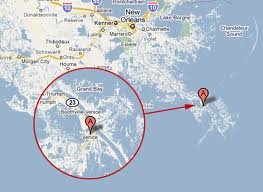
At the end of the road
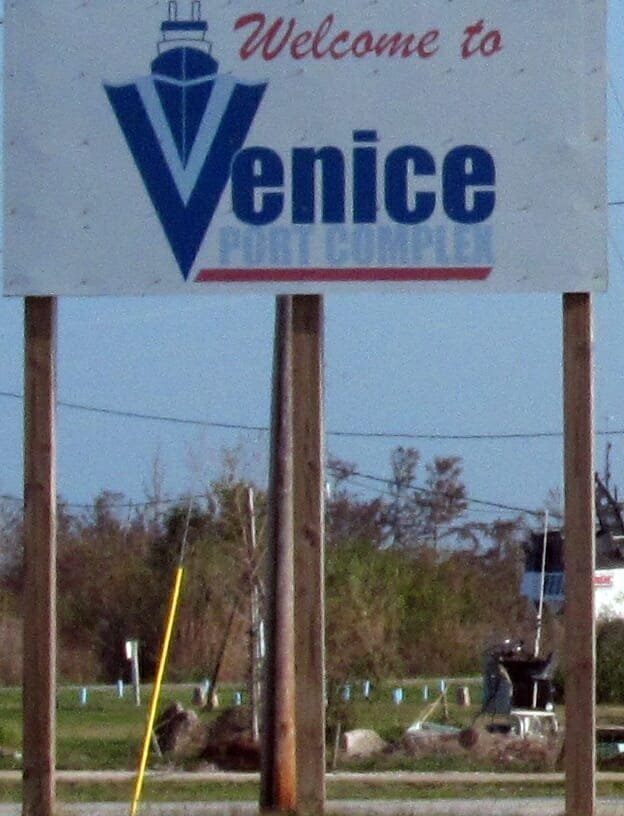
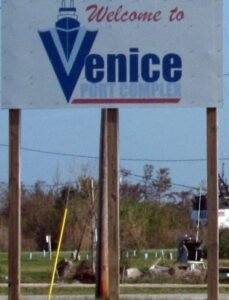
Far from the French Quarter, where the road south ends, we found Venice, Louisiana, and one of those unexpected experiences with great food and conversation.
Traveling south along LA -23 the scenery was less than we expected given the narrow strip of land with water on both sides. But as we discovered, a levy on both sides to hold back the inevitable storm surge completely blocked our view. There was farming along the way with lots of citrus and some cattle, along with visible devastation from Katrina which had left this area buried under several feet of water.
We were rewarded for the relatively mundane drive as we approached the end of the highway and the kind of views that we expected when we began.
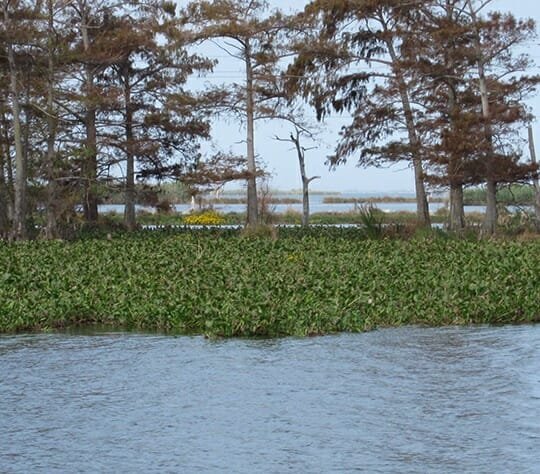
These scenes were right out of our imagination
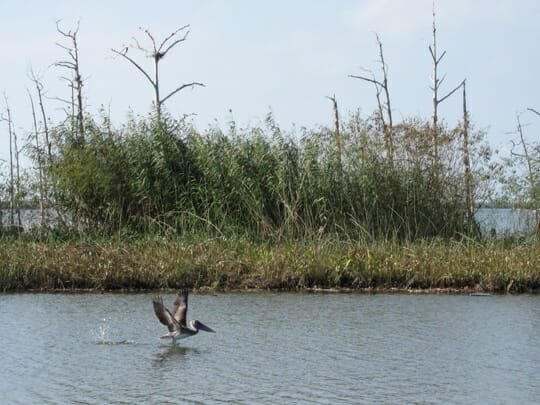
In flight
The area seemed fairly deserted and we were not sure where to go from here and then along came a mail truck. We chatted a moment with the driver and asked where to get a bite to eat. He directed us to the CrawGators Bar & Grill down the road a piece at the Venice Marina.
Note to self: the mailman is a good source for excellent restaurants.
While nothing promising could be seen in any direction at this point, we were in store for a treat. We found our way to the restaurant perched about 20 feet above ground and spotted the outdoor seating with great views of the marina, a perfect setting on this warm, sunny day.
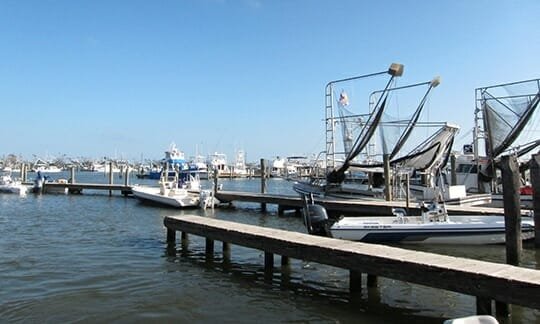
While the restaurant was quiet with only a few people watching the LSU v Ole Miss game inside, outside there must have been well over a hundred cars/trucks with empty boat trailers indicating the fish were biting.
We took a table on the deck and as we settled in, the couple two tables down gave us a friendly hello, where are you from greeting. Anxious for some local conversation, we started what became a long one that covered kids, food, fishing, football and politics.
Come to find out the woman, Deanna, was the mother of the restaurant owners. The man, Bob, went to school with her in Bunkie, Louisiana, about 100 miles northwest. An interesting note, according to them, Bunkie is the home of Cajun food and that New Orleans stole the food and the story. It seemed enough for one of them to derisively say, in New Orleans “they put tomatoes in everything.”
In this area of the country, the love of food, flavorful food, cannot be underestimated. Bob told the story of how he visited Amish country with some friends on a business trip and looked forward to the much-touted food. His first bites were a huge disappointment and he wondered if he could finish the bland food. For a man who had grown up on Cajun and liberally spiced food, the idea of salt and pepper being the main seasonings made him wonder how this food had such a following. Deanna rhetorically asked how anyone could cook without red pepper.
Looking at the menu, we asked for suggestions and Bob right away said the seafood stuffed baked potato was good and the onion rings, and… I waved my hand to stop him there. Who could pass on a house specialty like a seafood stuffed potato?
Over lunch, the conversation swung from Katrina, this area had been 35 feet under water, to fishing which is excellent in this, one of the top destinations for yellow-fin tuna in the world, around to unions, FEMA, oil spills, environmentalists and healthcare. Suffice it to say this is a red state and their views on many issues were 180 degrees from mine, so it was a challenge to smile and appreciate the insights of people who had lived in the area their entire lives.
To be honest it also helped me rein in my opposing political opinions in the face of union bashing and the like that Deanna kept plying us with food samples. First it was the chicken and sausage gumbo, her personal recipe, then seeing the look of appreciation for that, she brought out the bread pudding, another personal recipe. I almost told her I was a liberal just to make her stop! I couldn’t eat another bite. Deanna repeated more then once with a wink, “First we feed you, then we talk to you.”
We said our goodbyes to these warm and generous people, along with sentiments of how much we enjoyed the food and conversation and made our way back up the LA-23 to New Orleans with fond memories of Venice, Louisiana.
Mark Blondin, the next road
by Mark | Nov 21, 2011 | Deep In It
3/25/2010
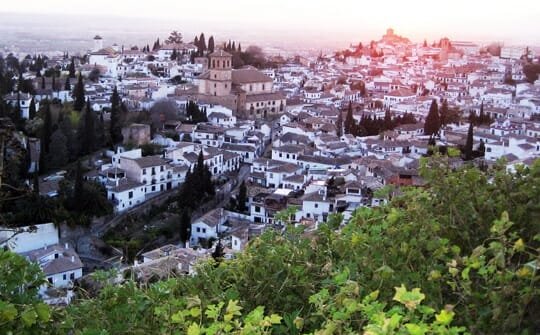
“How lazily the sun goes down in Granada, it hides beneath the water, it conceals in the Alhambra!”
Ernest Hemingway, American novelist.
High above Granada in Sacromonte
There would be much to see and do in this historic and beautiful city in the coming weeks. But now I share one of my favorite quotes about Granada, “Give him charity, girl, as there is nothing worse in life than being blind in Granada.” — poet Francisco Alarcón.
Our first order of business in Granada was to secure a room at Hostal Zurista in Plaza Trinidad, then park the rental car and begin exploring. This beautiful city was to be our home for the next month.
The rest of the day was a combination of sightseeing and apartment hunting. The next week would kick off Semana Santa, one of the largest celebrations in Spain. Granada’s Semana Santa is a huge tourist draw and made our search for the perfect apartment more difficult given the influx of tourists from around the world to witness the amazing celebration to come.
That evening while walking the wondrous narrow streets we wandered into a real estate company, chatted with the owner, a man of 70 (setenta años) who lived in Granada his entire life. The conversation was difficult at best due to our lack of Spanish, but we were able to schedule a meeting for 10 a.m. the next morning to look at a couple of apartments.
Quite the gentleman, Esteban was dressed in a suit with a fedora when we met promptly at 10; he removed his fedora and greeted us with a cordial buenos días.
Stacy and Esteban were able to have a conversation as we walked about a mile under beautiful sunny skies along narrow cobblestone streets (calles). The weather was perfect with a temperature of about 21 degrees celsius (70 degrees) and people were out in throngs enjoying it. Our first full day in Granada.
Our language challenge became more noticeable here, in that the Spanish spoken is very fast with a heavy accent; it is muy deficil (very difficult) to understand. We constantly say, hable más despacio por favor (speak more slowly please) so we can try to understand.
We looked at two apartments, one was very nice, great location and modern, the drawback was that it had only one bedroom (dormitorio) and a futon in another room which was less than ideal. The second apartment was less modern and still had the same one bedroom problem. After walking a mile or so, and then a few blocks to the second apartment, we walked up about four flights of narrow stairs. Esteban was winded but not terribly so. Not many at 70 that I know, and some much younger, could have made that walk and climbed those stairs and have the same said. A lifetime of walking.
On the way back to Plaza Trinidad, we passed the local market which has 40-50 stalls selling meats, fruits and vegetables. Esteban seemed to know everyone. When we reached our hostal, Esteban gave us his card and then left without pressuring us.
We regrouped, ate some lunch and then set out to a second real estate company (imobiliária). We rented the first apartment they showed us in a great location, spacious, with two bedrooms. We were a bit hesitant to sign a contract for the apartment written in Spanish, but luckily the agent knew about Google Translate and was able to print it out in English. We managed this feat with all of our language skills stretched to the maximum, finalizing with great relief.
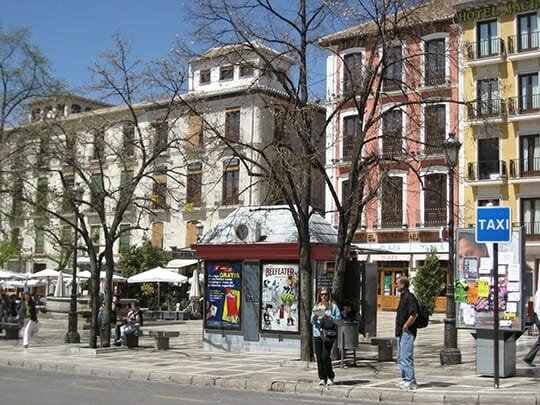
The beautiful Plaza Nueva was steps outside our apartment
We completed that work around 15:00 (3 p.m.) and returned to our hostal with two goals in mind: to visit the market to stock the apartment refrigerator and haul part of our luggage to make the next day’s move easier. Unfortunately, the market was just closing for siesta (had to learn that schedule) so we went to the apartment and dropped the luggage and put our feet up. We oriented ourselves, found the silverware, plates, ironing board, towels, etc. We had been given new sheets and bath towels as part of the rental.
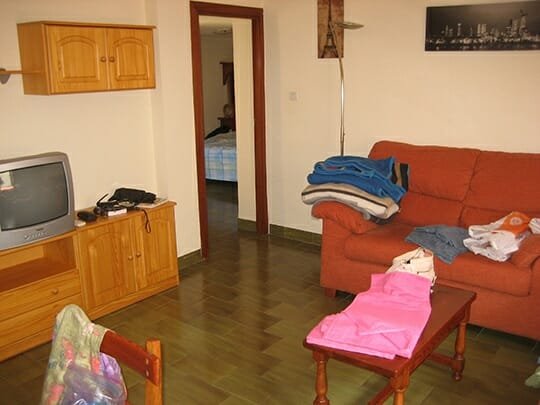
Our new apartment
The week-long holiday of Semana Santa commences this Saturday leading up to Easter. It should be spectacular and we have ringside seats in Plaza Nueva!
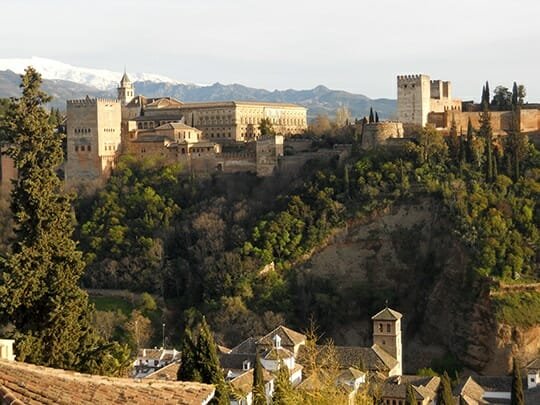
The Alhambra against the majestic Sierra Nevada mountains
“The most beautiful sunset in the world is in Granada.”
Bill Clinton, American ex-president.
Mark Blondin, the next road …